
How to care for a yoga mat
How to clean a natural rubber mat without ruining it, what really shortens its life, and the signals that say it is finished.
Most yoga mats are killed by three things: sunlight, the wrong cleaner, and being rolled up damp. None of them is obvious, and two of them appear on almost every care guide online as advice. Here is what actually keeps a mat alive, what ends it, and how to tell the difference.
The most sustainable mat is the one you keep longest. Care is an environmental argument before it is a commercial one.
The three things that kill mats
- Sunlight. UV and ozone degrade rubber. The surface dries, fades and eventually cracks, and once it cracks the grip is gone permanently. It is the single most repeated piece of bad advice online, usually offered as a way to deal with the smell.
- Alcohol and essential oils. Both attack the surface. Essential oils in particular break rubber down over time, which is why they appear on every list of what not to use, right after appearing in every homemade cleaner recipe.
- Storing it damp. Rolled up wet after a sweaty session, a mat holds that moisture against itself. That is where a musty smell comes from later, and it is a cleaning problem rather than a material one.
How to clean it, by material
| Material | What works | What to avoid |
|---|---|---|
| Natural rubber | Water and a little mild soap on a cloth, dried flat in the shade | Alcohol, essential oils, dishwasher detergent, sun, washing machine |
| Cork over rubber | Damp cloth, dried thoroughly | Soaking. Cork holds moisture |
| TPE and PVC | Mild soap, wipes clean easily | Abrasives, which dull the texture |
Closed cell surfaces wipe clean; open cell ones need to dry through. It is the difference that decides your whole cleaning routine, and we explain it in open cell or closed cell.
The signal that says it is finished
Not a date. A mat ends when the top surface polishes smooth where your hands and feet land and you start sliding in the same spots every session. Cleaning will not bring that back, because the texture is gone rather than dirty.
How long that takes depends entirely on frequency and practice, and we go into it in how long a natural rubber mat lasts.
And then what
Almost no mat can go in household recycling, whatever it is made of: too large, too dirty, often two materials bonded together, and there is no take back scheme at almost any brand.
The realistic answers are second lives at home, and the grip that made it a good mat is exactly what makes it useful under a rug or as knee padding. We set them out in what to do with an old yoga mat, including when donating is not the honest option.
A new mat is a separate problem
Two complaints belong to the first weeks rather than to care, and both resolve on their own:
- It smells. Volatile compounds from vulcanising, fading over the first weeks. Unroll it and ventilate, and do not put it in the sun.
- It slips. A thin manufacturing residue and a surface that has not worn in yet. Wipe it down and use it. More in our guide to grip.
Frequently asked questions
Can I put my mat in the washing machine?
No. It deforms rubber, breaks bonded layers apart, and no manufacturer recommends it whatever you read on social media.
Are commercial mat sprays worth it?
Some are, and check the ingredients: many contain alcohol or essential oils, which is the thing you were trying to avoid. Water and mild soap does the same job.
How often should I clean it?
Wipe after sweaty sessions, deeper clean every few weeks. More often if you share it.
Should I roll it or fold it?
Roll it, loosely, with the top surface facing out or in depending on your mat's memory. Folding creases rubber permanently.
The short version
Water and mild soap, dry flat in the shade, never in the sun, never stored damp. That is most of it, and it is the difference between a mat that lasts years and one that lasts a season.
Ours is 4 mm of natural rubber, made in Europe, and it is built to be kept. See it here.
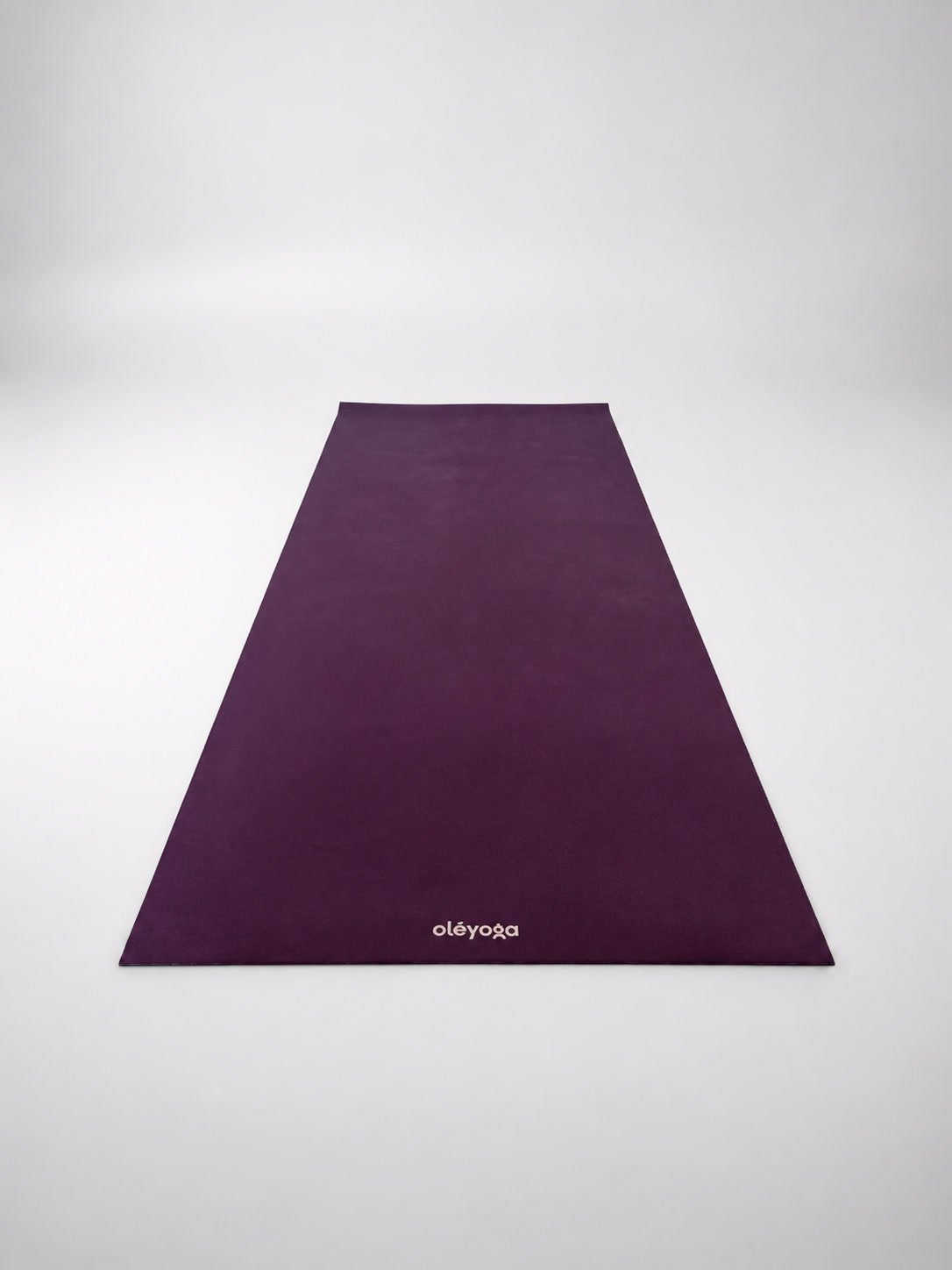
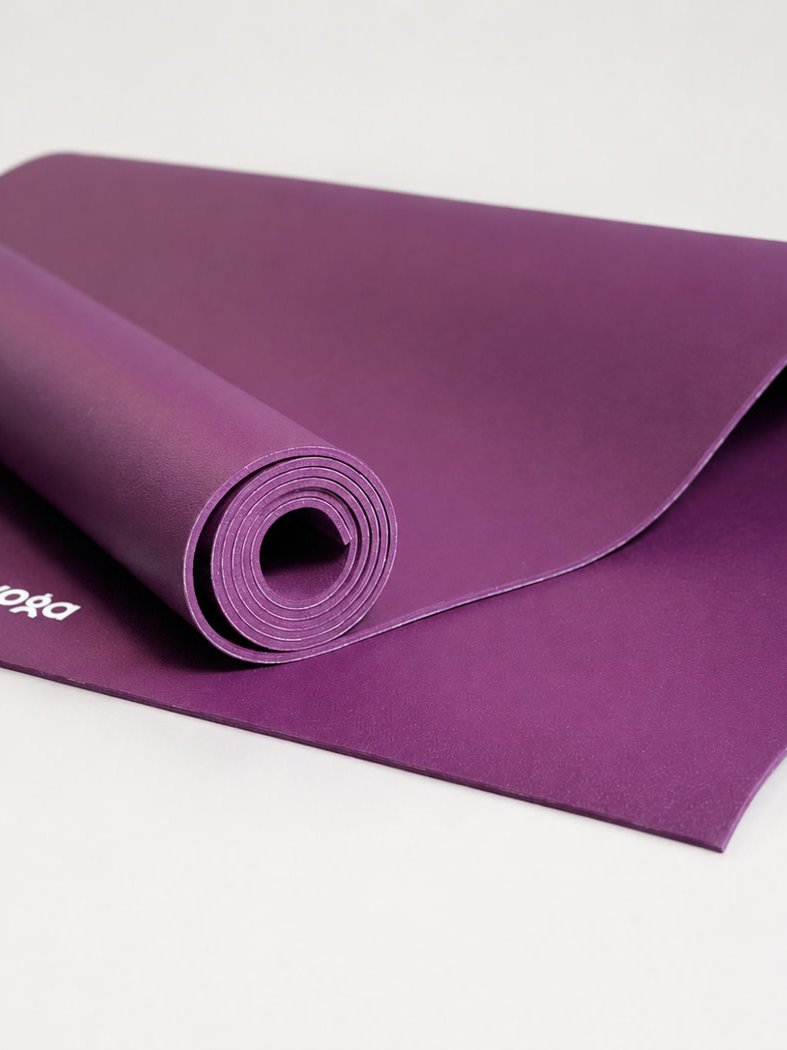
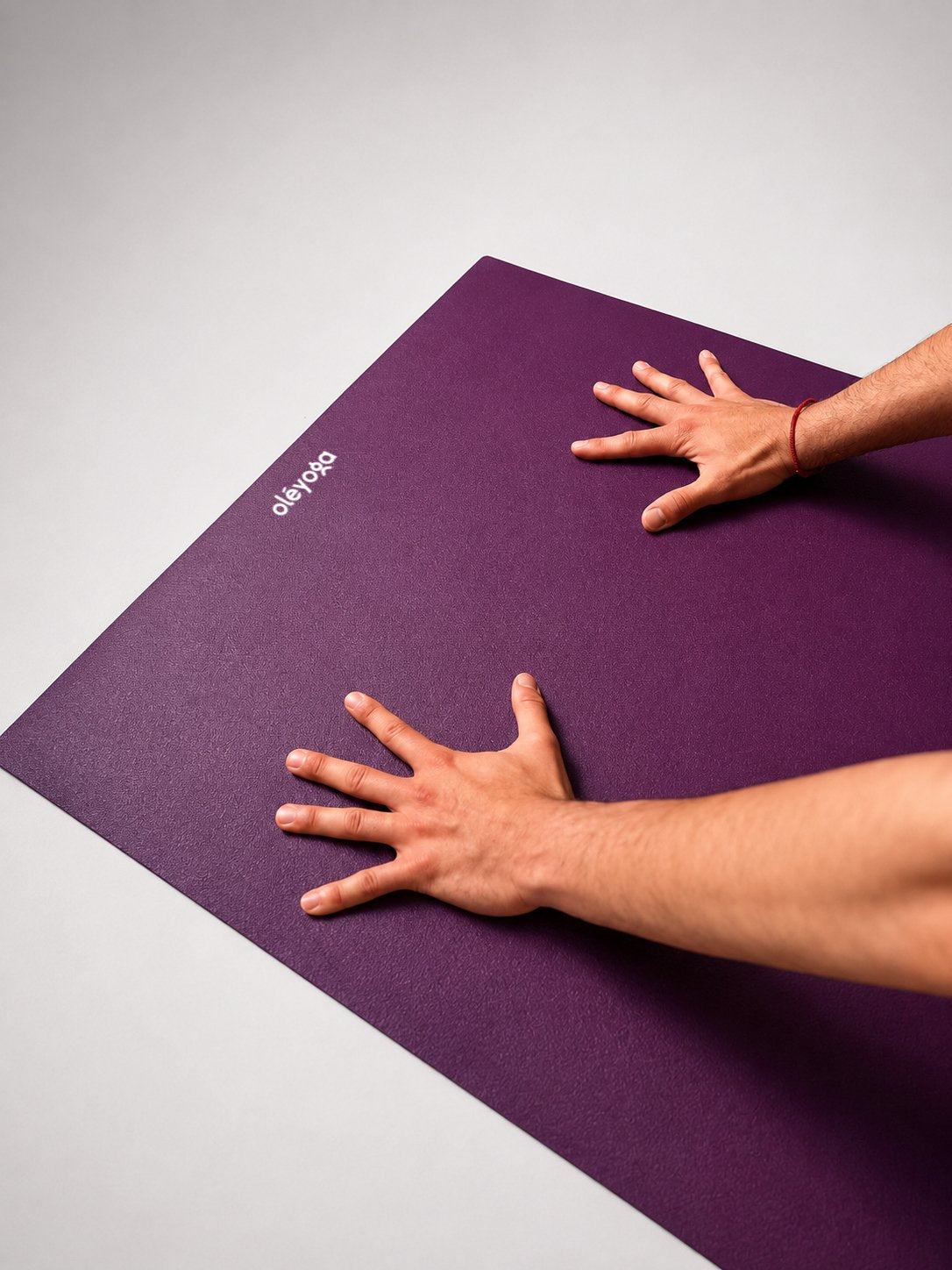
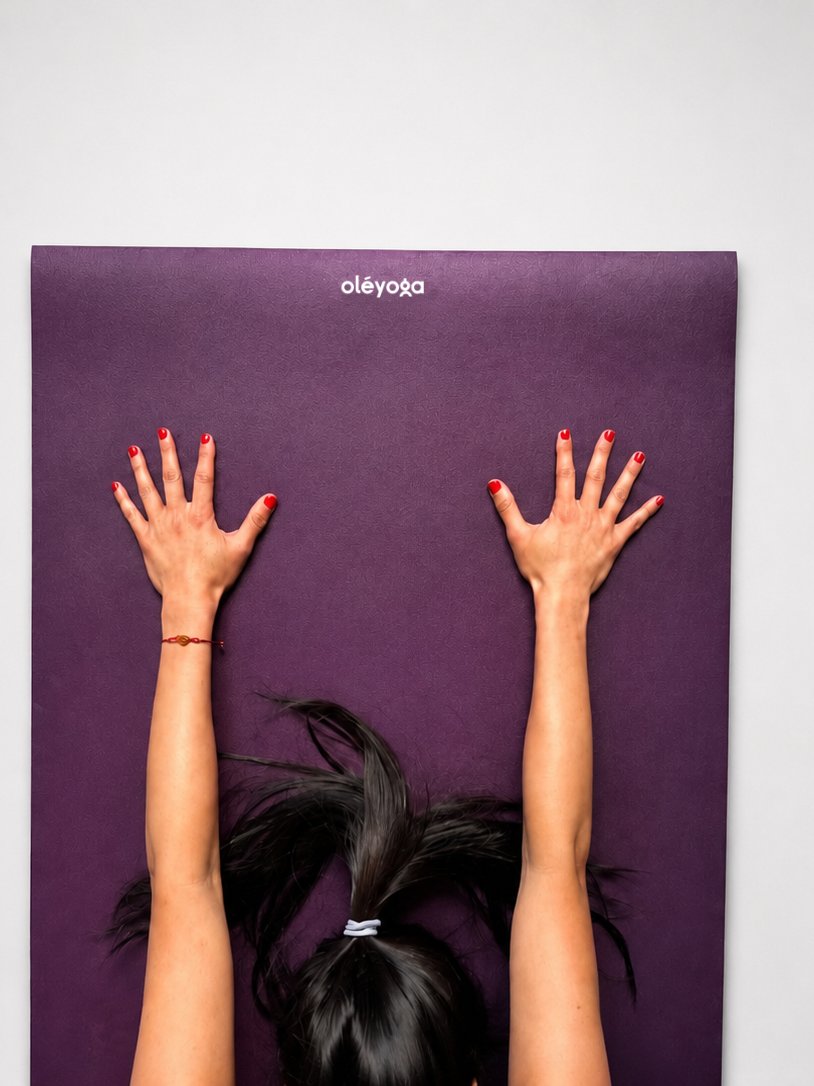
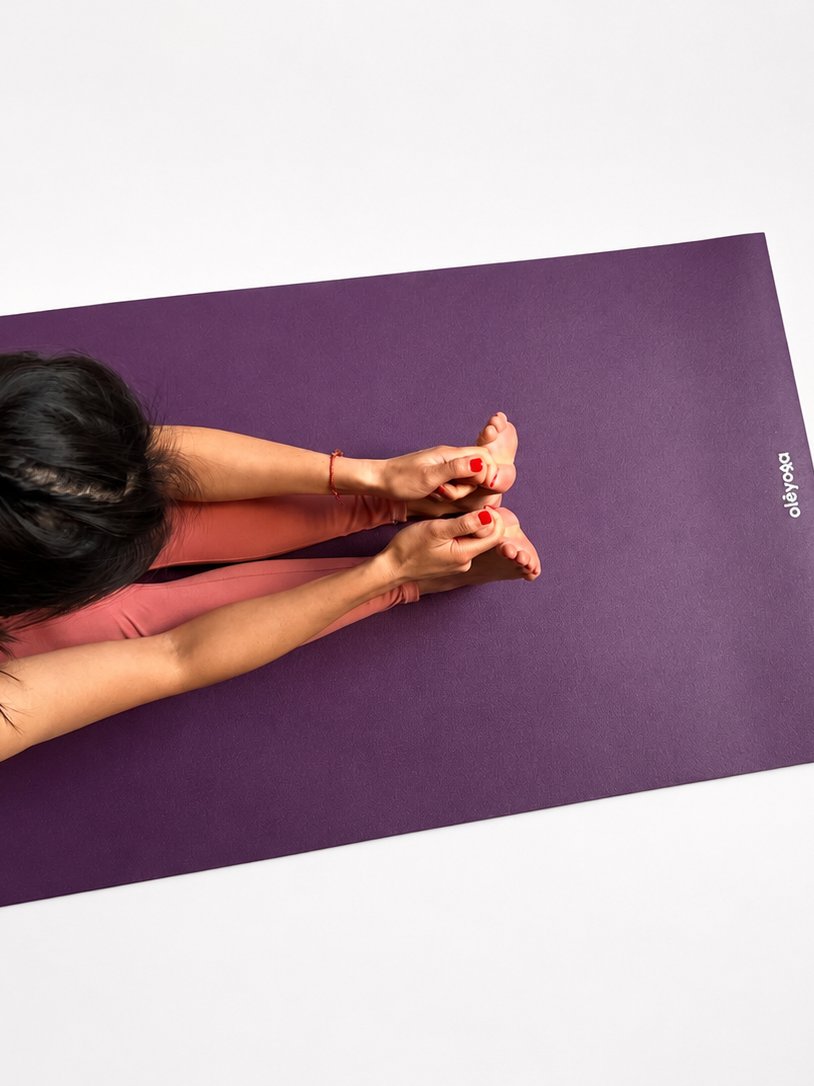
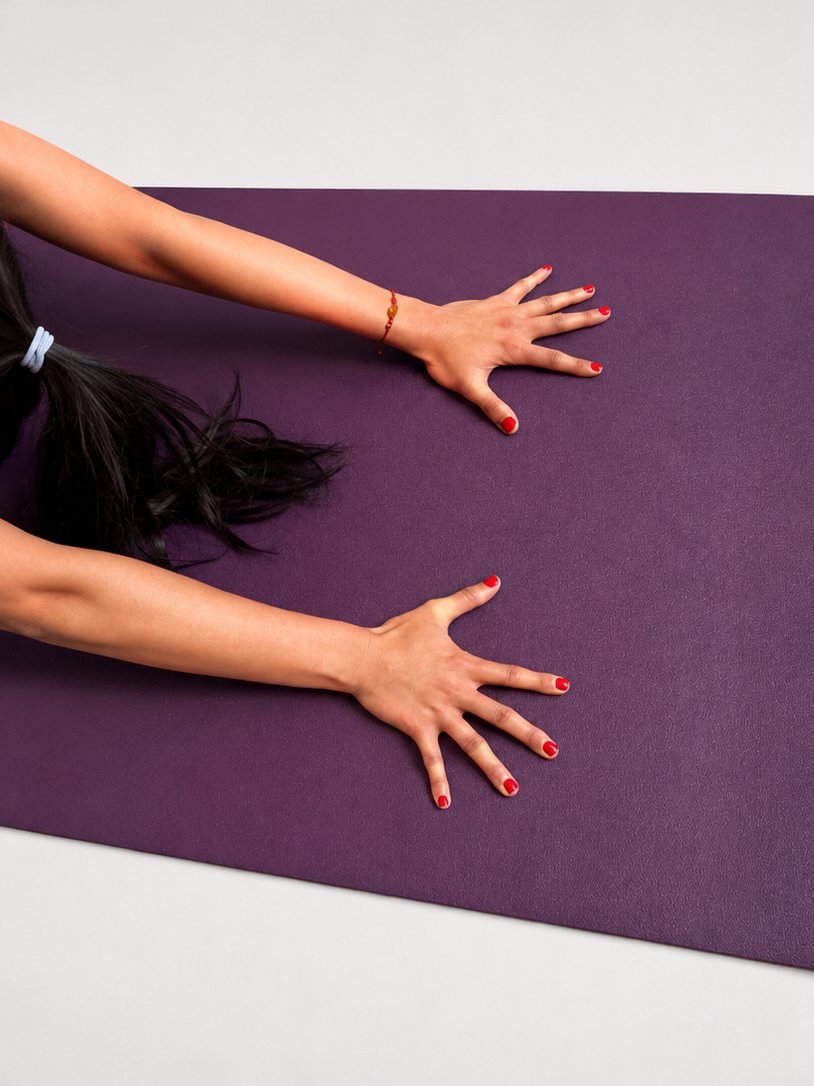
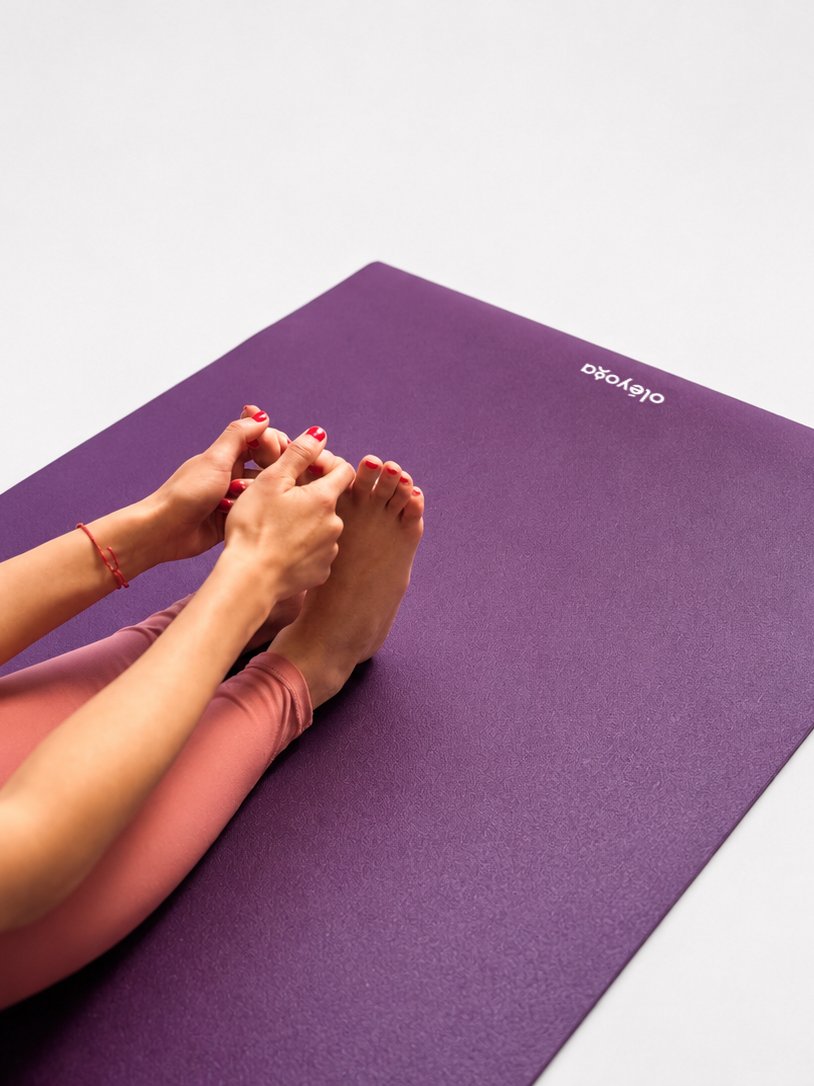
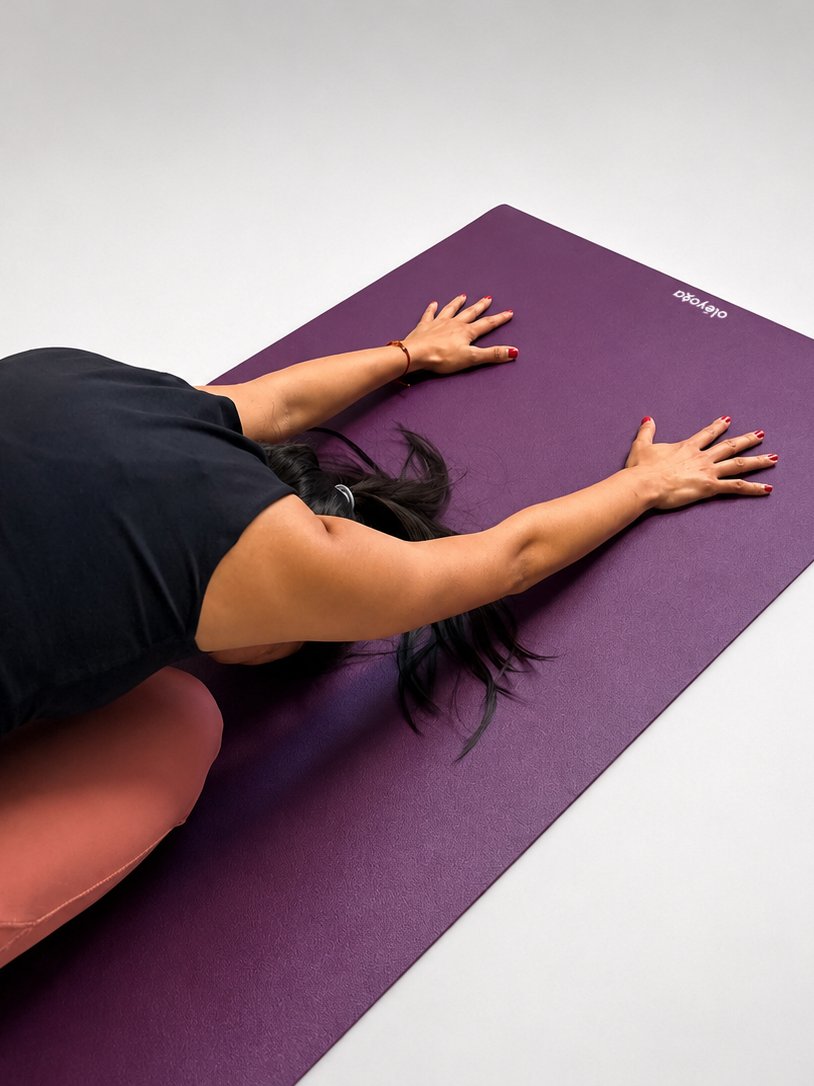
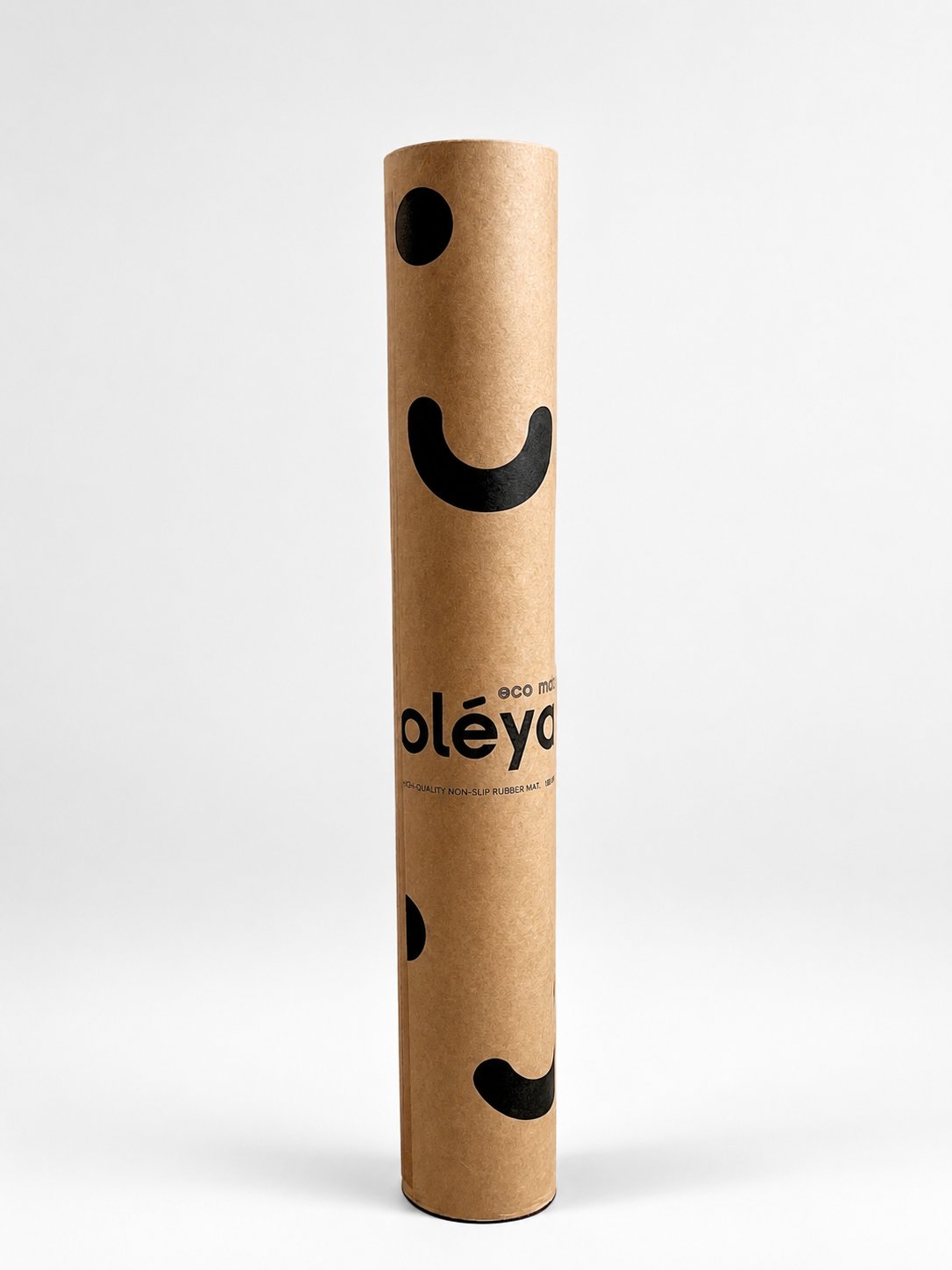
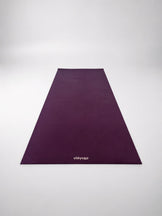
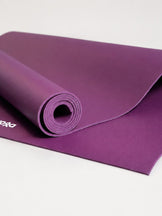
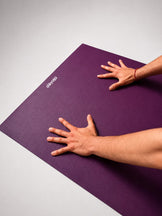
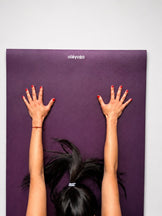
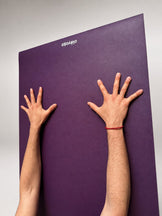
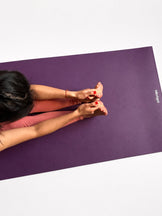
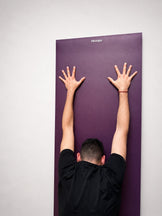
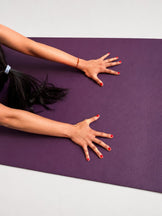
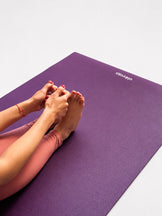
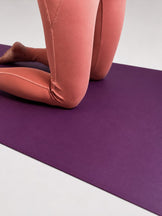
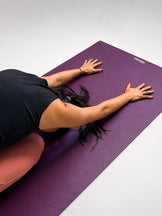
Steady natural-rubber grip from the first practice. Made in Europe · 4 mm · 1.8 kg · reversible · OEKO-TEX®.
One yoga session is all it takes to feel it: no more slipping. Made in Europe from 100% natural rubber with a non-slip technology, for a steady, mindful practice.
Store it. Roll it. Take it to class or home. It is reversible and weighs just 1.8 kg.
Join +1000 yogis already practicing on a more sustainable model of yoga.
More on looking after your mat
What to do with an old yoga mat
How to clean a natural rubber yoga mat