

The problem
We are reaching a point of no return
Waste generation, energy consumption, and plastics pollution within the yoga industry are significantly impacting the planet and require urgent action to ensure a sustainable future.

The situation
It's time to act
The mass production of yoga mats and accessories in Asia using cheap labor and synthetic, unsustainable materials poses major environmental challenges for the yoga industry.

The solution
Join the revolution
We promote a local, ethical, and sustainable consumption model. We create durable, high-quality products so you can buy less and contribute to change with your yoga practice.
The environmental impact of the yoga industry
Millions of plastic mats sold every year, almost none recycled. What the industry puts into the world, and what happens at the end of life.
Yoga sells itself on care: for the body, for the mind, for the planet. The industry behind it runs largely on petroleum. Most mats sold worldwide are plastic, almost none are recycled, and the word most used to describe them, eco, is not a regulated term. This is what the numbers actually say, and where our own product sits in them.
An industry built on non-harm sells a product that outlives everyone who uses it.
What the industry produces
The dominant material in yoga mats is PVC, followed by other petroleum derivatives such as TPE and EVA. They are cheap, easy to print on and quick to make, which is why a mat can cost fifteen euros.
The cost is deferred rather than avoided. A PVC mat does not decompose so much as fragment into microplastics over a period measured in centuries, and it needs plasticisers to stay flexible. We go through the material comparison in what happens to the millions of mats that are neither recycled nor biodegraded.
Where a mat ends up
Almost nowhere good. A worn out mat is large, dirty and often two materials bonded together, which puts it outside every kerbside recycling stream in Europe. Almost no brand runs a take back scheme.
- PVC: neither recycles nor biodegrades in any meaningful timeframe.
- TPE: recyclable in a factory, effectively never recycled in practice.
- Natural rubber: breaks down over years, which is better and is not the same as harmless.
The practical options today are second lives at home rather than recycling, and we set them out in what to do with an old yoga mat.
The claims that do not hold
Three words do most of the work on product pages and none of them is verified by anyone:
- “Biodegradable” applied to TPE. It is a petroleum thermoplastic. At the time of writing, the top two Spanish results for the question say otherwise, which is why we wrote about it.
- “Eco-friendly” and “non-toxic”. Neither is a regulated term. A certificate is: we explain which ones actually test what in our guide to yoga mat certifications.
- “Natural” as a synonym for harmless. Rubber is a plantation crop and plantations replace something, which we do not skip in is natural rubber actually sustainable.
- “Recycled” without saying recycled what. A mat can advertise recycled content and still be mostly plastic, because the recycled part is often a plastic blended into the base.
The part that gets left out: the freight
Almost every mat sold in Europe is made in Asia. A mat is heavy and bulky, the worst combination for shipping, and that leg is the largest variable in its footprint that a brand actually controls.
The conversation stops at the material because the material is the easy part to talk about. The container is not. We looked at what origin does and does not change in made in Europe or made in Asia, and at the carbon side in the carbon footprint of your yoga mat.
Where we sit in this
We make one mat, in one colour, in Europe, from natural rubber. These are the decisions we took to make it more sustainable:
- We produce in Europe so a heavy mat does not travel halfway around the world before it reaches a European home.
- The mat is 100 % natural rubber, a renewable and recyclable material rather than a petroleum foam.
- The core is up to 85 % recycled natural rubber, much of it from our own production offcuts. Recycled rubber is still rubber, so nothing is diluted with plastic to get there.
- The factory runs on renewable energy, and production water is recirculated rather than dumped.
- No plastics, no adhesives, no added chemical binders. The layers are fused with heat.
- The recycled core is expanded so we use less virgin material without giving up the density the surface needs to grip.
- The mat is reversible: two high-density natural rubber faces, so you can flip it and keep practising instead of replacing it.
The most sustainable mat is the one you keep longest, which is why durability is an environmental argument and not just a commercial one.
What would actually move the needle
- Buy one mat and keep it. It beats every material choice on this page.
- Ask for the certificate, not the adjective. A number and an issuing body, or it is marketing.
- Ask where it was made, and read “designed in Europe” as the careful phrase it is.
- Ask what happens at the end. Almost nobody publishes an answer, which tells you something.
The short version
The industry runs on plastic, the recycling story is largely fictional, and the vocabulary is unregulated. Natural rubber is genuinely better on origin and end of life, and it is not innocent either. We would rather write that than sell you a clean conscience with a mat attached.
Our mat is 4 mm of natural rubber, made in Europe. That is the Eco Daily natural rubber yoga mat. Read what a natural rubber yoga mat actually is before you buy.
The way out of this waste cycle is not practising less: it is choosing a mat that was designed to leave nothing behind. That is the whole idea behind our sustainable yoga mats: natural rubber, made in Europe, one tree planted for every mat.
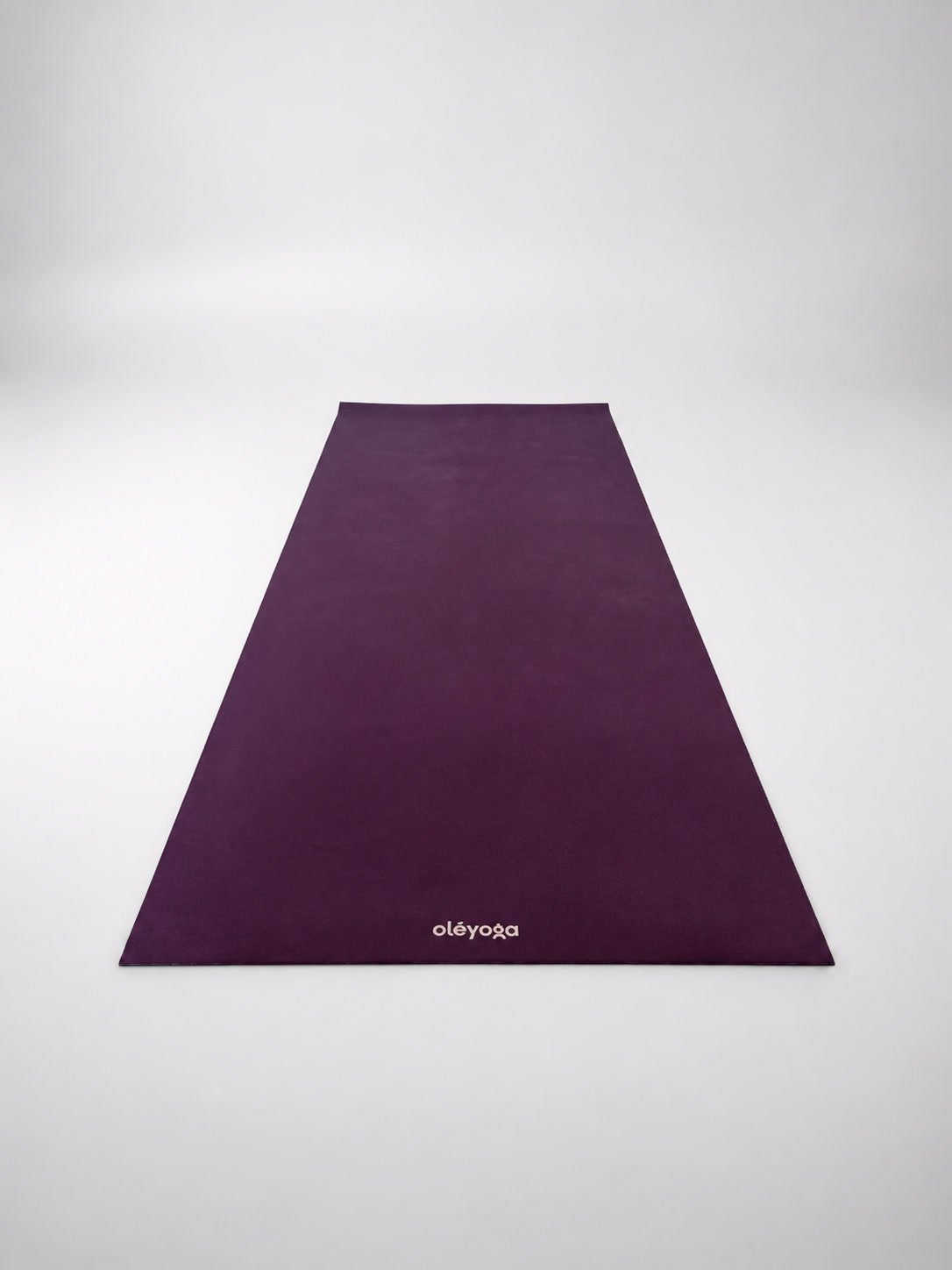
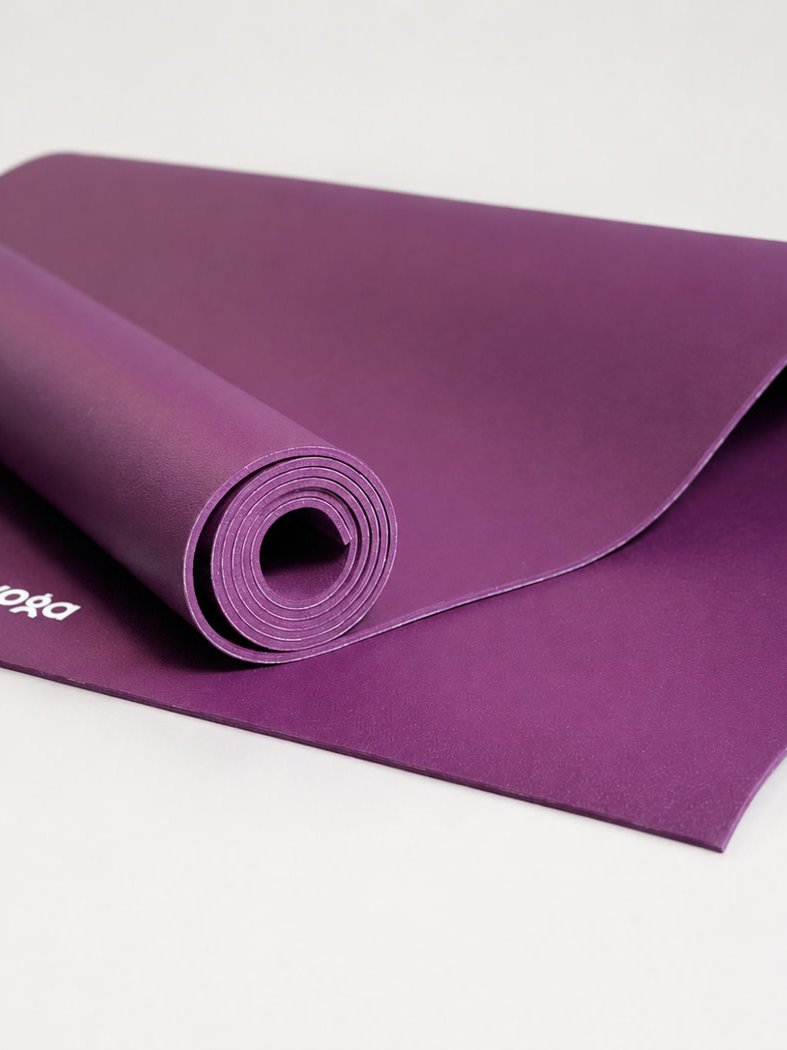
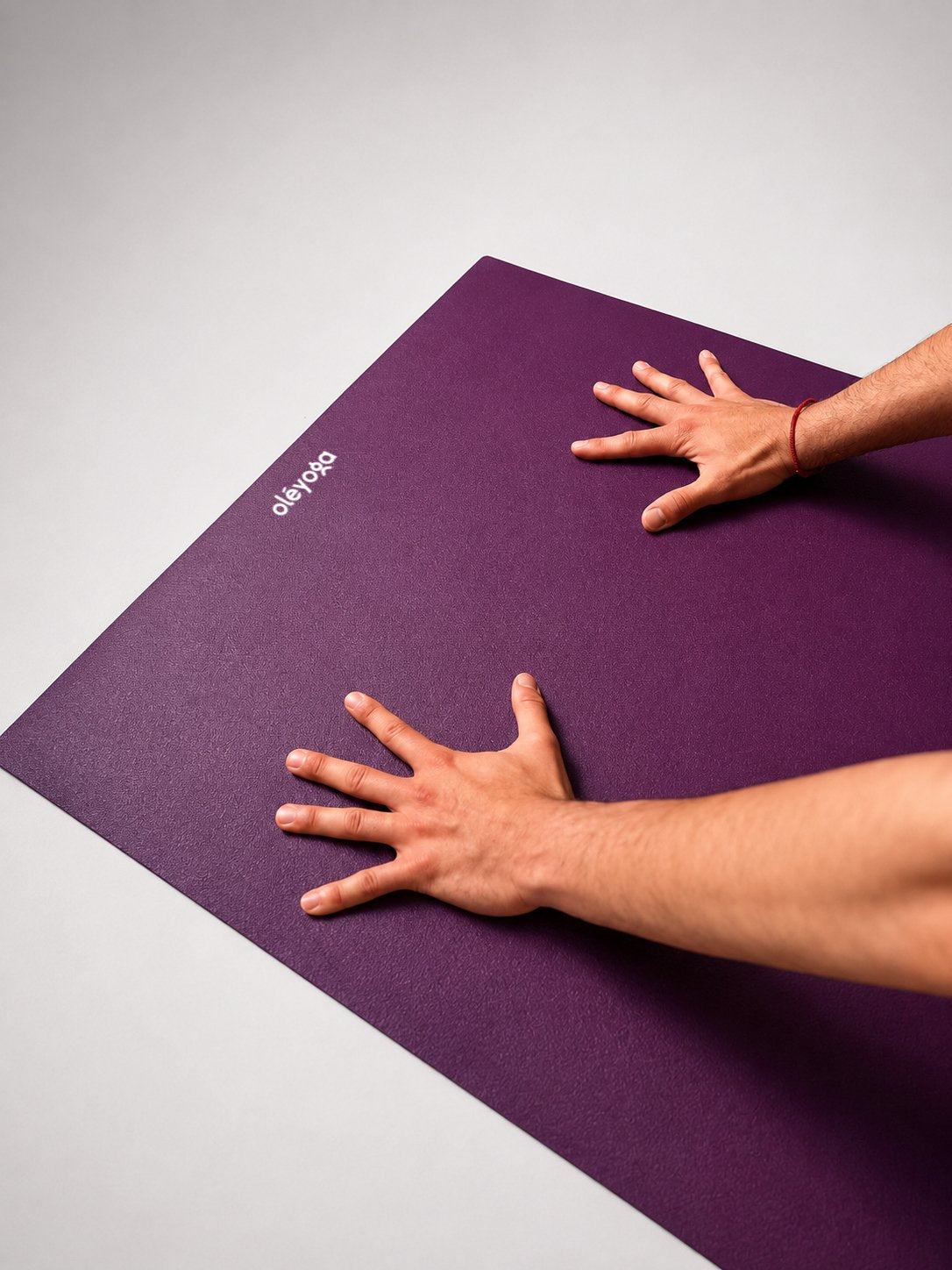
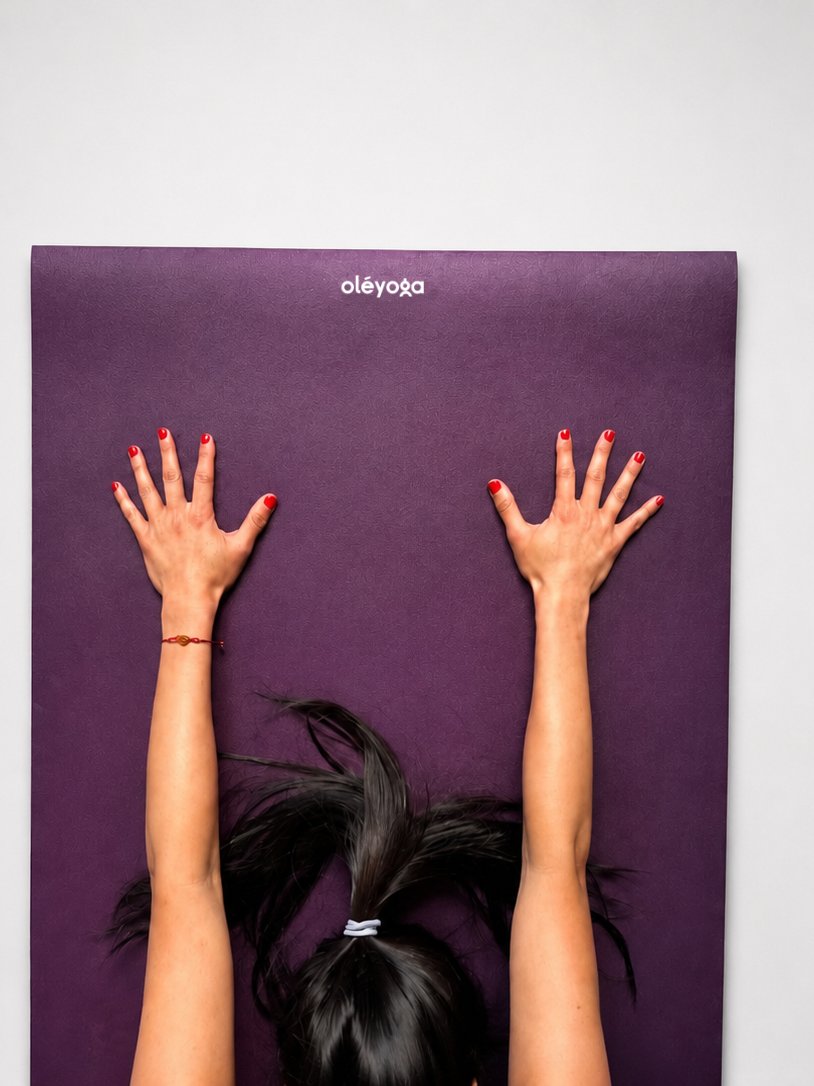
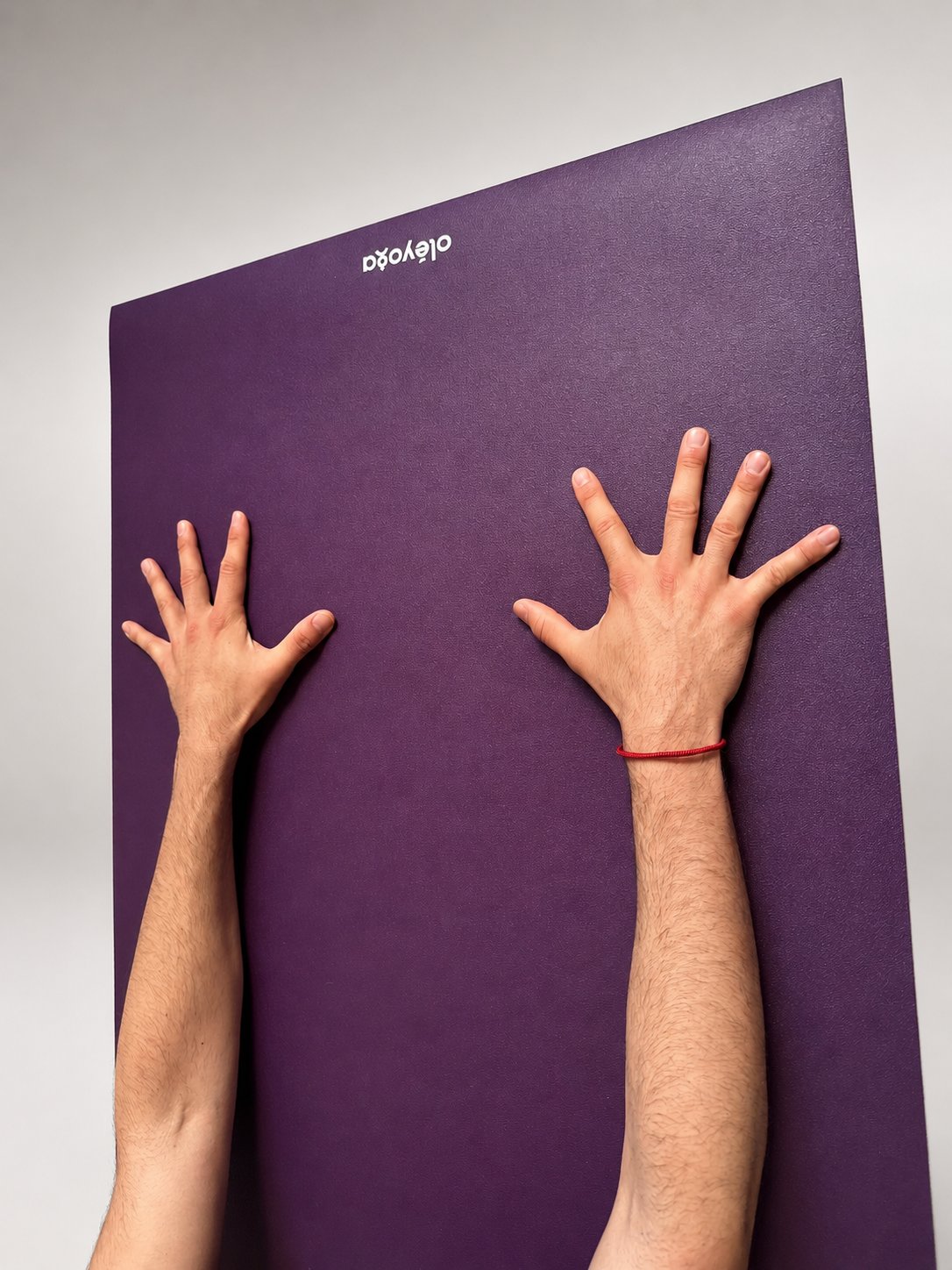
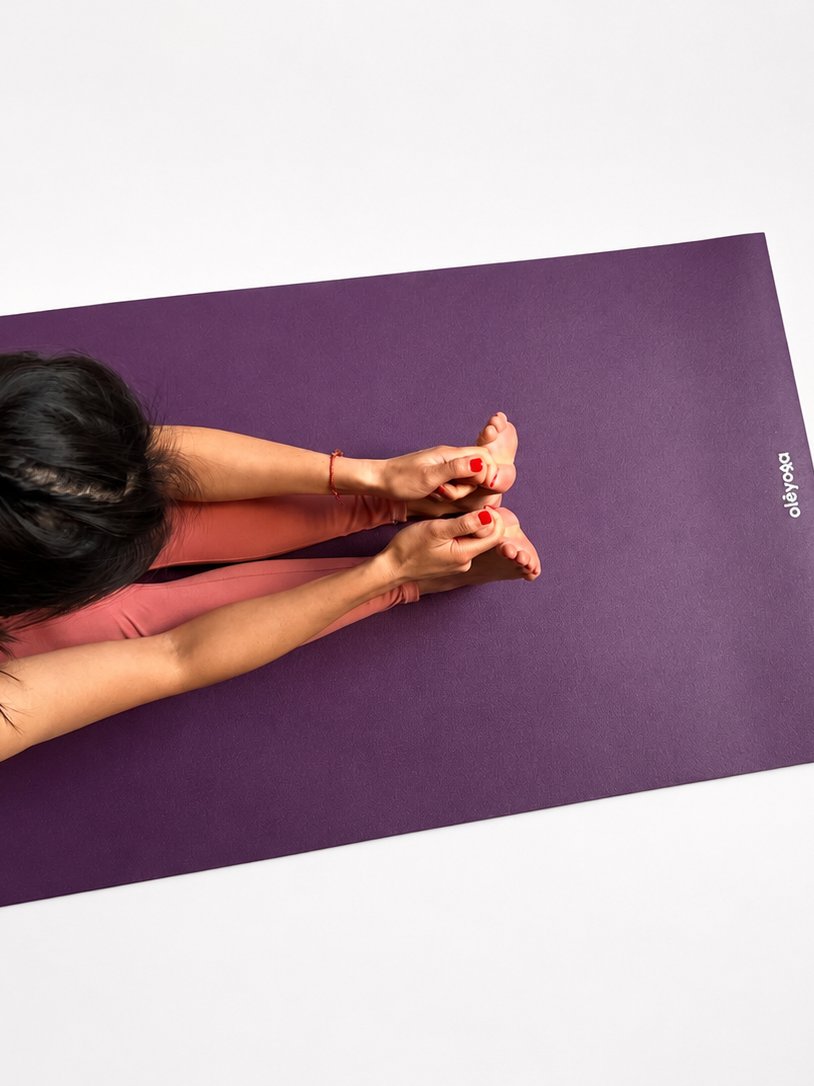
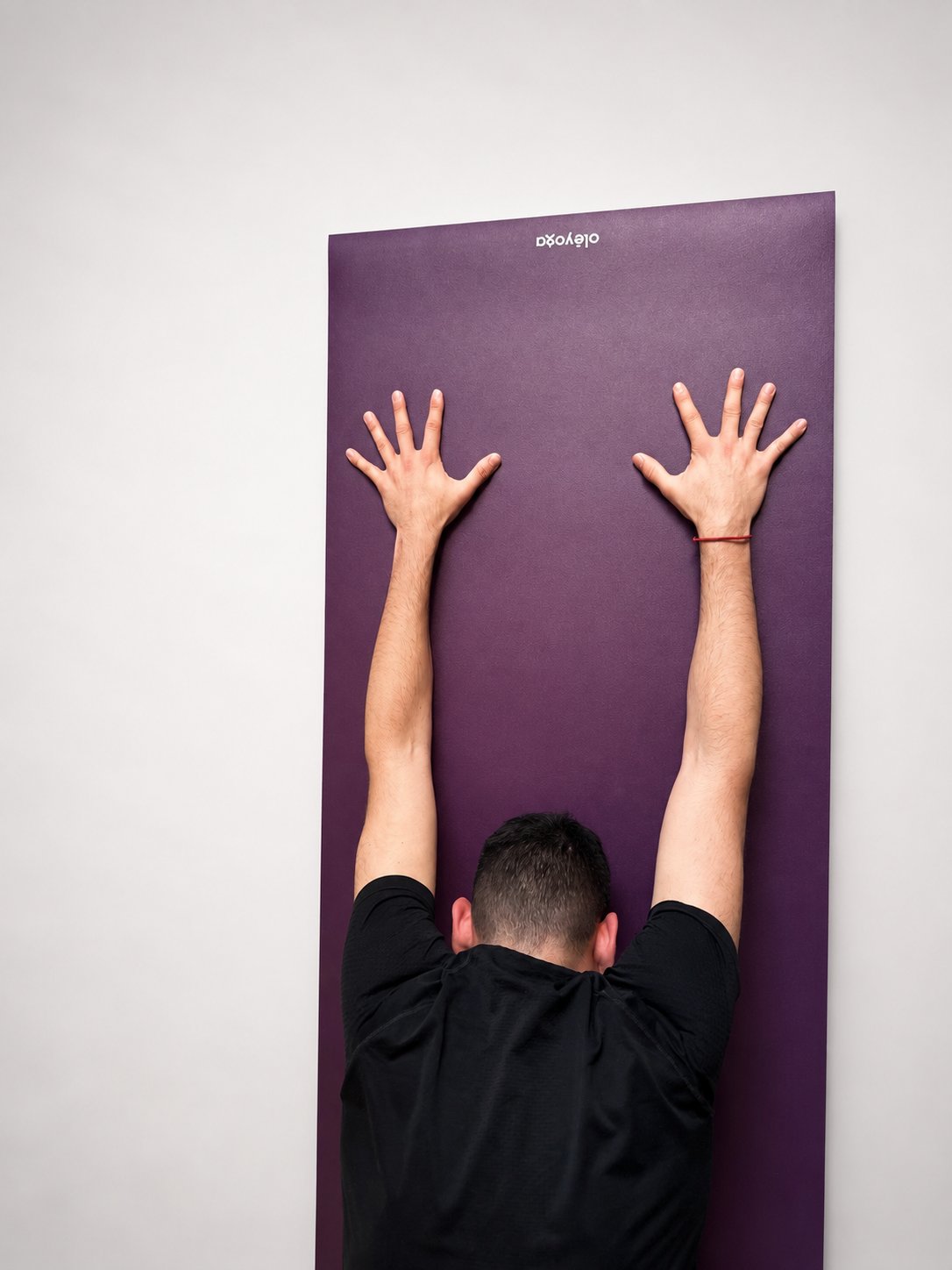
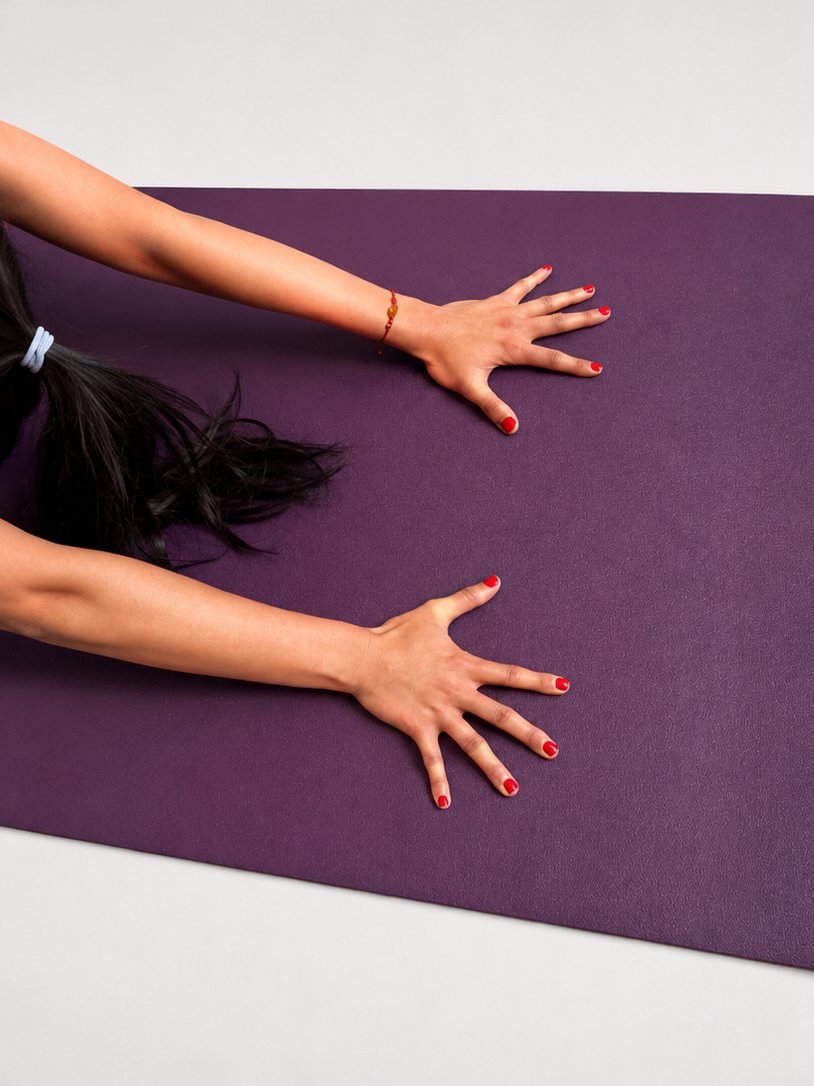
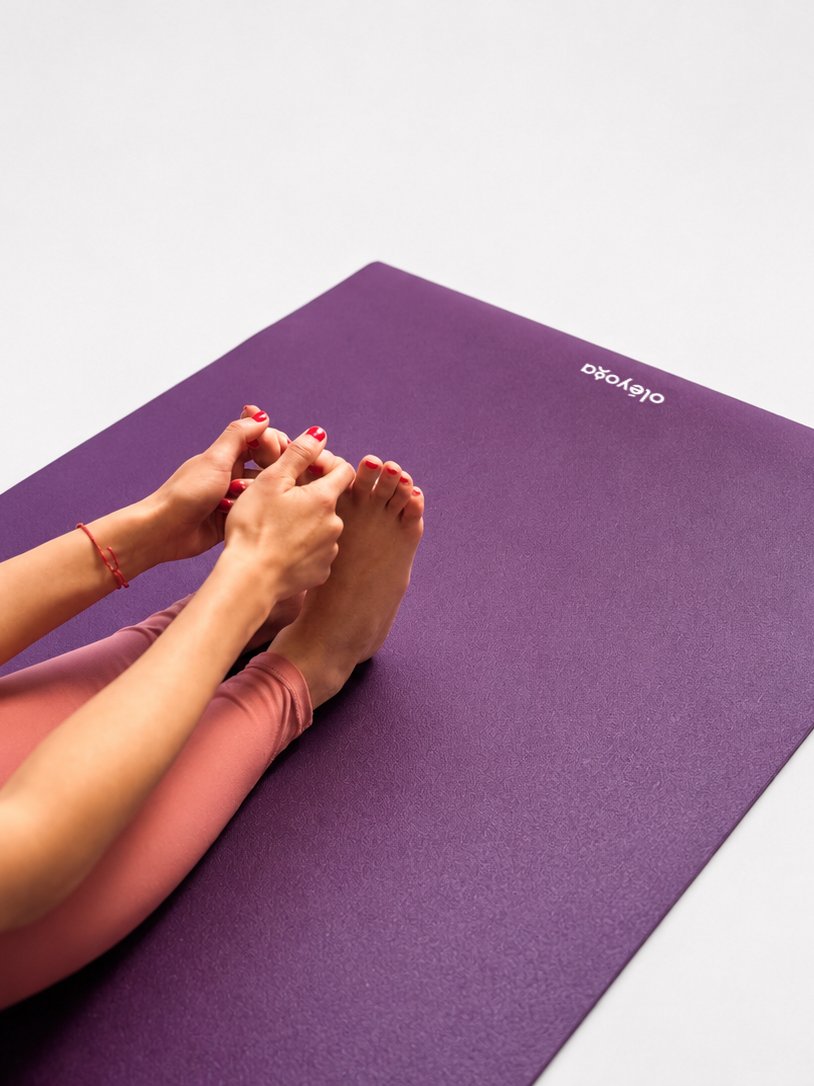
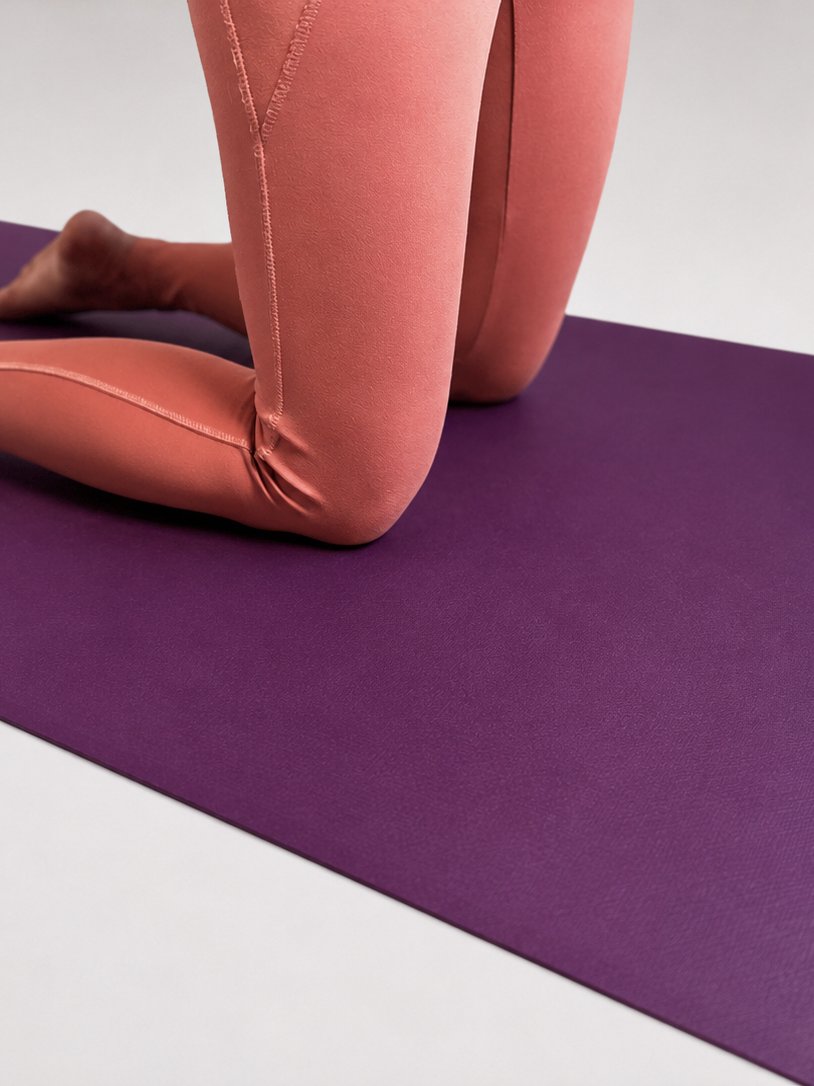
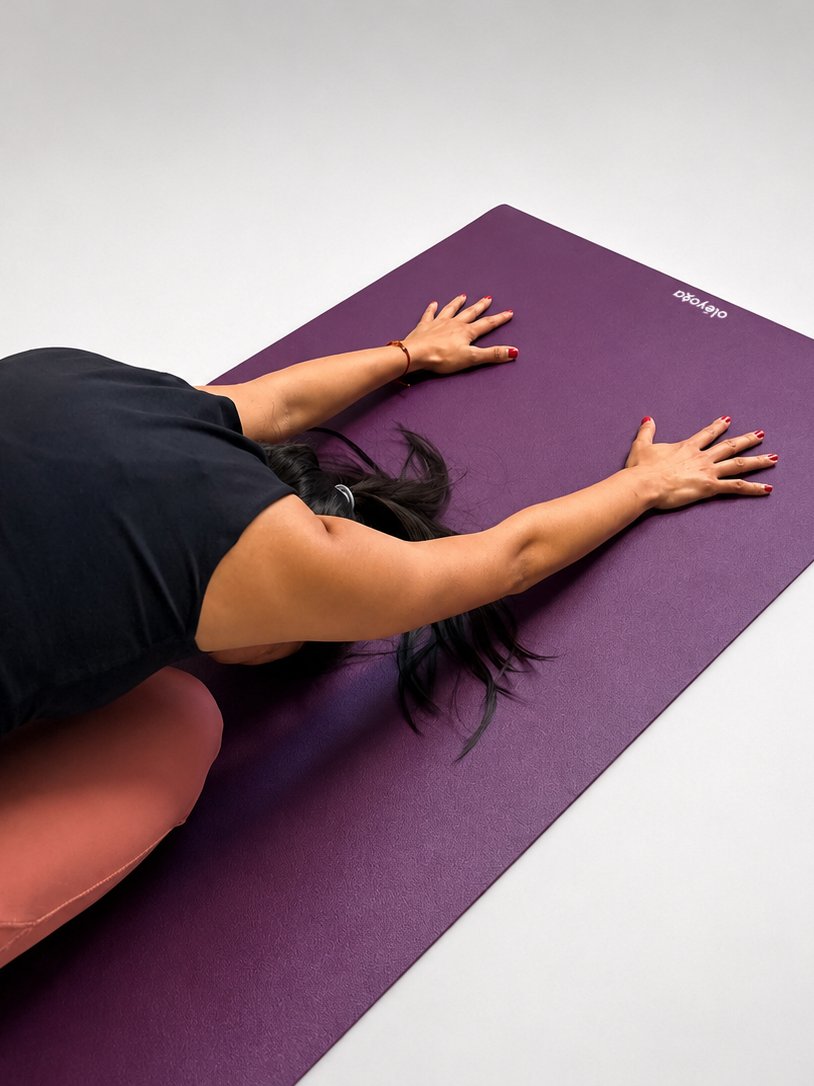
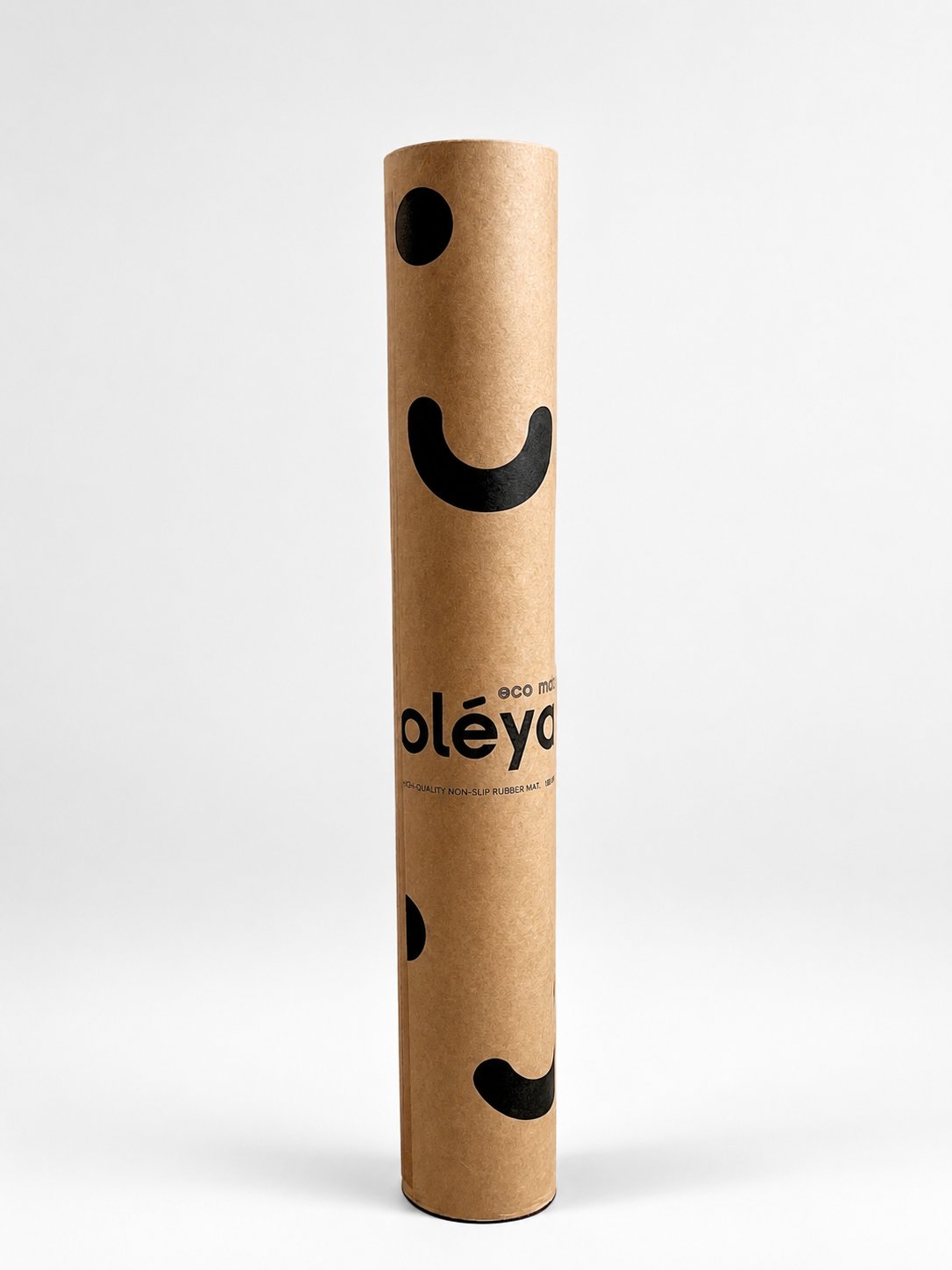
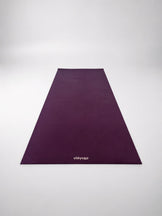
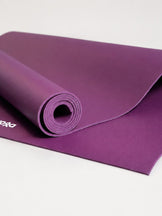
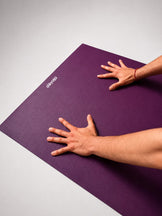

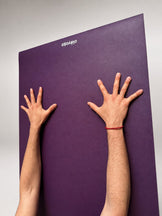
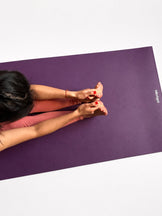


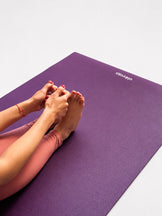
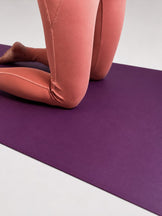
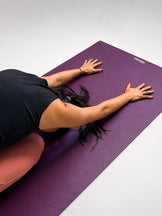

Steady natural-rubber grip from the first practice. Made in Europe · 4 mm · 1.8 kg · reversible · OEKO-TEX®.
More on materials and impact
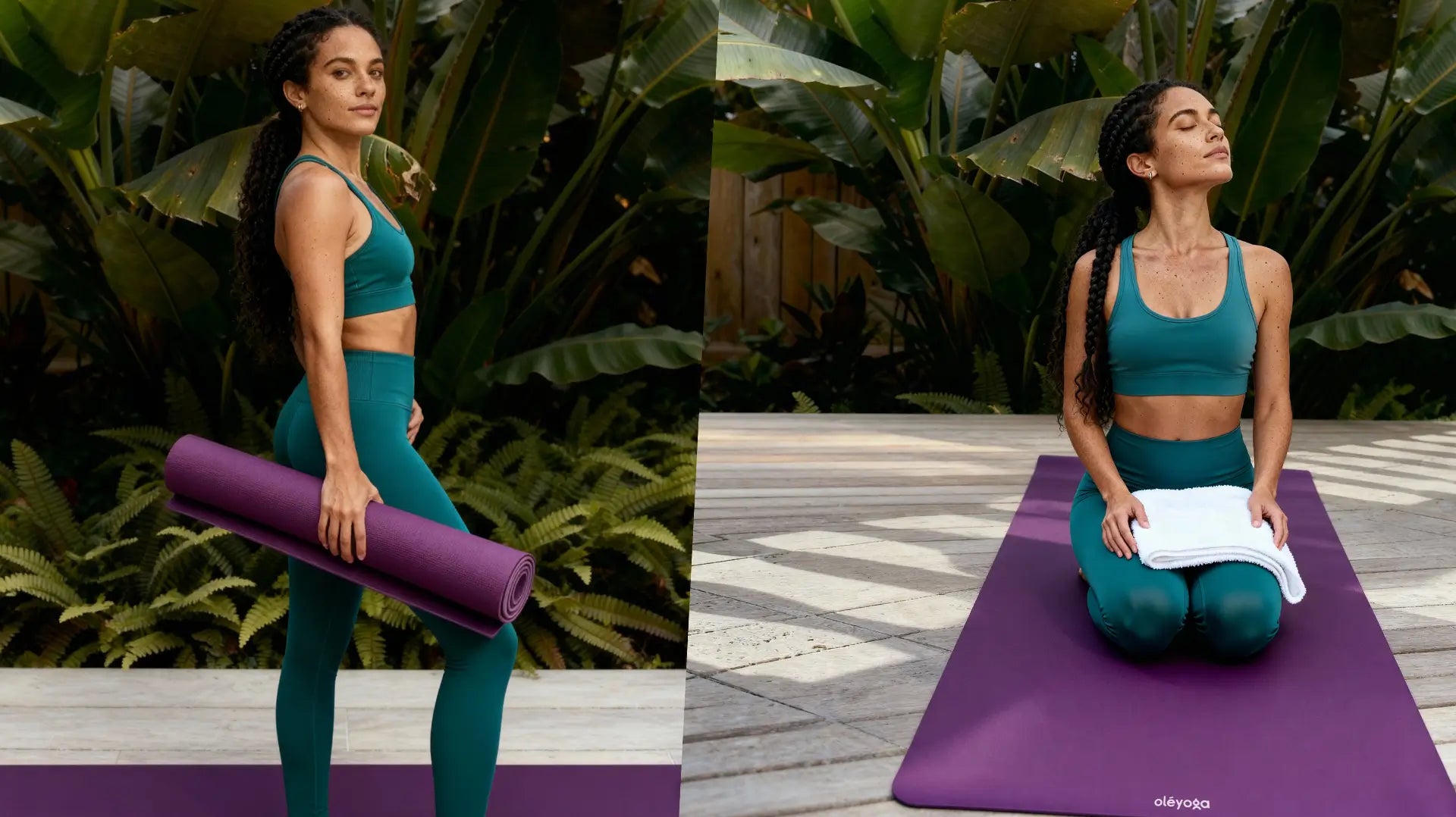
The environmental impact of yoga mats
The environmental impact of plastic yoga mats
Most yoga mats contain plastics that take centuries to break down. Discover how sustainable materials are reshaping the future of yoga.
