
Non-slip yoga mats
Dry grip, wet grip and floor grip are three different problems. What actually decides each one — and why “non-slip” without saying which is close to meaningless.
Grip is not one property. A mat can hold your hands perfectly when dry and lose them the moment you sweat, or grip your palms beautifully while sliding across the floor underneath you. Those are different problems with different causes, and almost every page selling you a non-slip mat treats them as one thing called “adherence”.
There is no certification for grip. That is exactly why the category is full of adjectives and empty of numbers.
Three kinds of grip, and two ways to fail
Before comparing mats, it is worth separating what you are actually judging:
- Dry grip. How the surface holds clean, dry hands and feet. This is what you feel in the first five minutes and what most product photos are selling.
- Wet grip. How it behaves once there is a film of sweat between your skin and the surface. Completely different physics, and the one that decides a long class.
- Floor grip. Whether the mat itself stays put on wood, tile or carpet. Nothing to do with the top surface.
The two failure modes are not the same problem. If your hand slides on the mat, that is a surface and moisture question. If the whole mat travels forward in downward dog, that is weight and underside. Fixing one does nothing for the other, which is why so much advice online misses.
Why sweat changes everything
This is the part that is genuinely physical rather than marketing. The friction between skin and a surface is not constant: it changes substantially with how hydrated the skin is, and it does not change in a straight line. A small amount of moisture can actually increase friction, while a film of liquid separates the surfaces and collapses it.
It is well studied territory. A review of skin tribology collects the experimental work on how the friction coefficient of skin behaves, including the effect of moisture.
The practical consequence is that “non-slip” without saying dry or wet is close to meaningless, and that a mat can be honestly excellent at one and poor at the other.
What actually decides grip
| Factor | What it changes |
|---|---|
| Material | The biggest single variable. Natural rubber has an inherent tack that plastics do not |
| Surface structure | Open cell absorbs sweat and grips better as you go; closed cell keeps it on top |
| Density | Holds the mat to the floor. It is also why grippy mats are heavy |
| Texture | Helps, but it is the smallest of the four and the easiest to fake in a photo |
We go deeper on the first two in our guide to natural rubber and in open cell or closed cell. The third is the subject of why rubber mats are heavy, and it is a trade rather than a flaw.
Why a brand new mat slips
It is the most common complaint about a natural rubber mat and it is usually temporary. A new mat carries a very thin residue from manufacturing, and the surface has not yet been worn in by use.
What works:
- Wipe it down with water and a little mild soap, then dry it flat. Repeat after the first few sessions.
- Use it. The surface texture opens up with practice faster than with anything you can apply to it.
- Give it two weeks before judging. Most of the complaints we hear come from the first session.
What does not work, and actively damages the mat: leaving it in the sun. UV and ozone degrade rubber and crack the surface, and once it cracks the grip is gone permanently. Same reason it is the wrong way to deal with the smell of a new mat.
How to test a mat yourself
You do not need a lab. You need the same movement done three times in different conditions, which is more than any product page will give you:
- Dry. Downward dog, thirty seconds, clean dry hands. Note any micro-slip at the heel of the hand.
- Wet. Dampen your palms lightly with water. Repeat.
- Warm. After a short flow, when your hands are naturally sweating. Repeat.
Then check the floor separately: set up in downward dog and push forward deliberately. If the mat moves and your hands did not, the problem is density and not surface.
What nobody in this category publishes
We looked. Across eighteen affiliate pages and the nine best known European brands, not one publishes a single grip measurement. No coefficient of friction, no test standard, no method. The pages that say “we tested these” rate grip with words: excellent, superior, outstanding.
We are not going to add another adjective to that pile. What we intend to publish instead is the protocol above run against real mats, ours included, with the numbers and the conditions. Until that exists, treat every claim on this page as an argument rather than a measurement, including ours.
Where our mat stands, honestly
The Eco Daily is 4 mm of 100% natural rubber with a closed cell surface, reversible, 1.8 kg. That combination is built for dry and moderately damp grip and for staying put on a hard floor.
It is not built for hot yoga, and we do not recommend it for that. Sustained heat and heavy sweat are where a closed cell surface loses to an open cell one, and if your practice is consistently hot you will be better served by cork. We say the same thing in our comparison of rubber and cork.
Frequently asked questions
Does a towel fix a slippery mat?
For a sweaty session, yes, and it is the standard answer. It is also an admission that the surface is not the right one for that practice.
Is a textured surface grippier?
Texture helps and it is the least important of the four factors. A textured plastic mat still slides once wet.
Why does my mat slide on the floor?
Weight and underside, not surface. A light mat on a smooth floor will travel no matter how good the top is.
Does grip wear out?
Yes, and it is what ends a mat's life. The surface polishes smooth where your hands land, which we cover in how long a natural rubber mat lasts.
The short version
Ask which grip a mat is claiming. Dry, wet or floor are three different questions, sweat changes the answer, and nobody in this category has published a number yet.
Our mat is 4 mm of natural rubber, made in Europe. See it here.
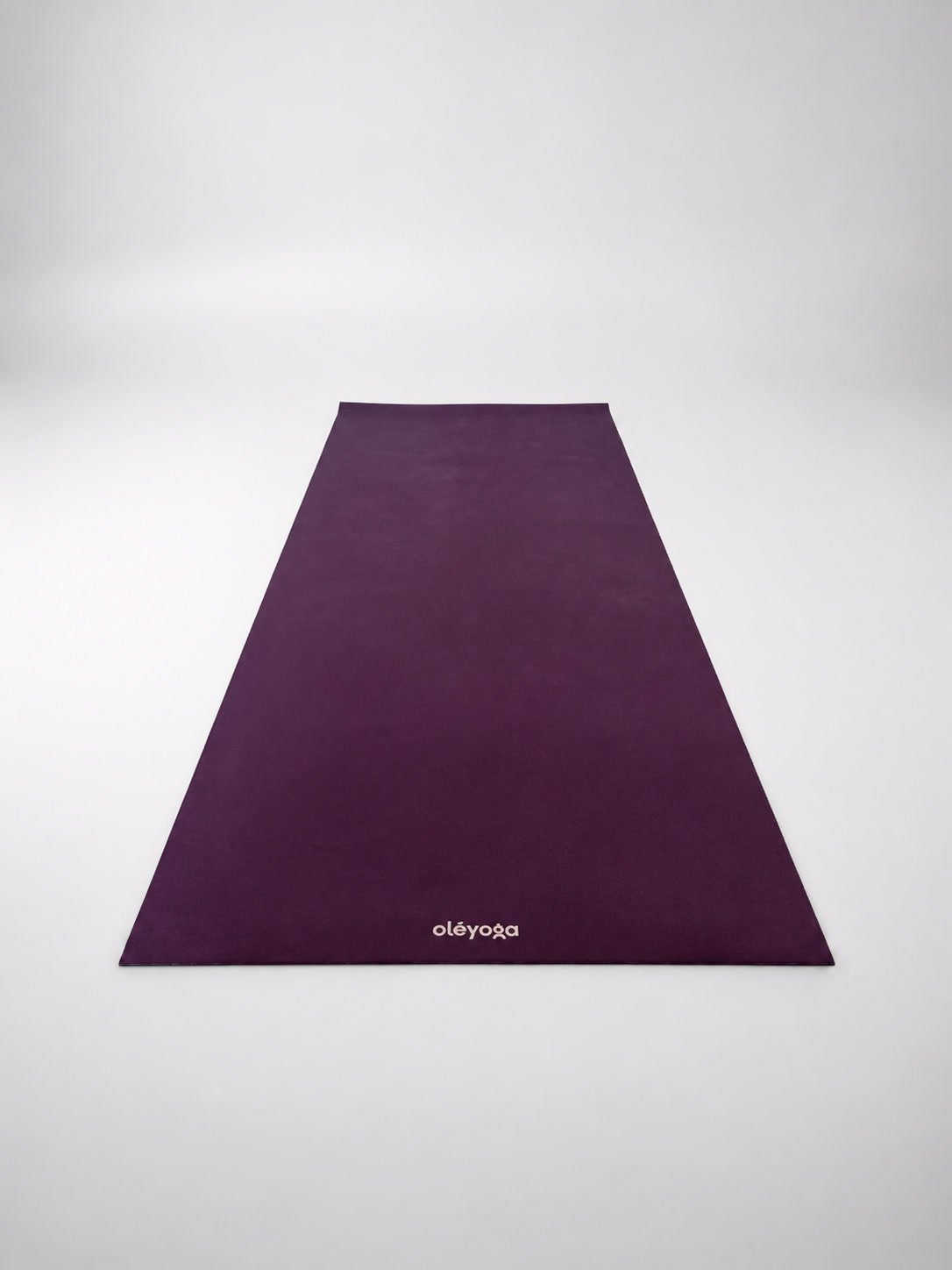
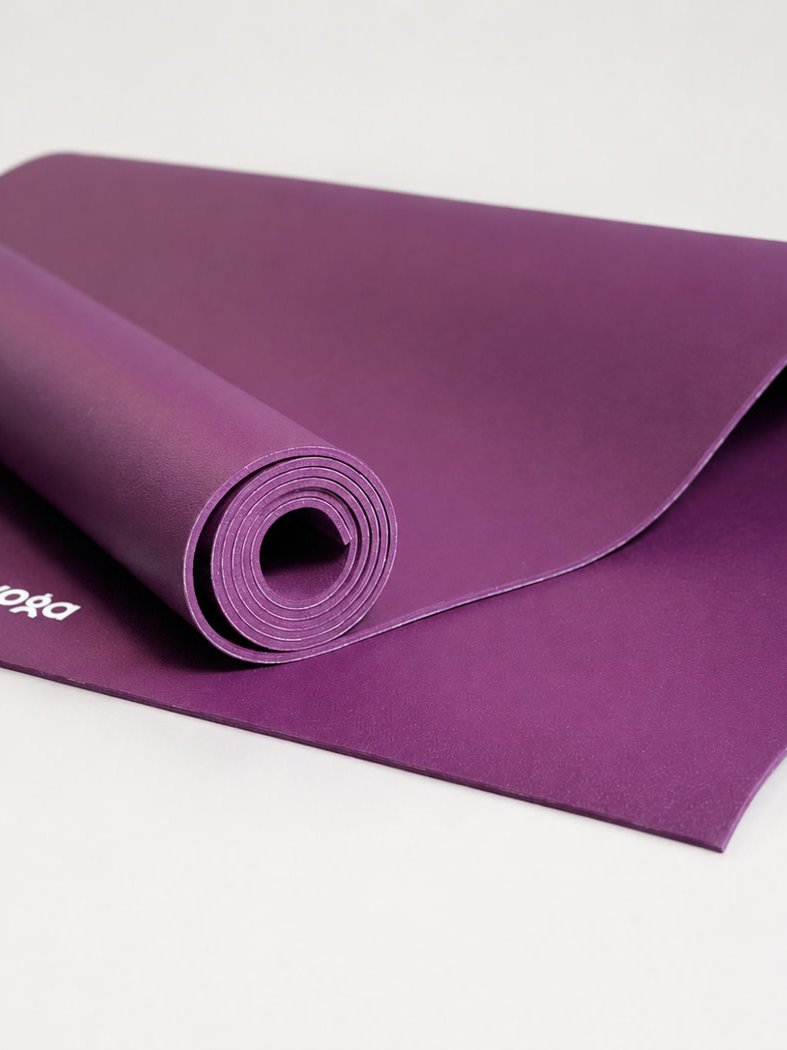
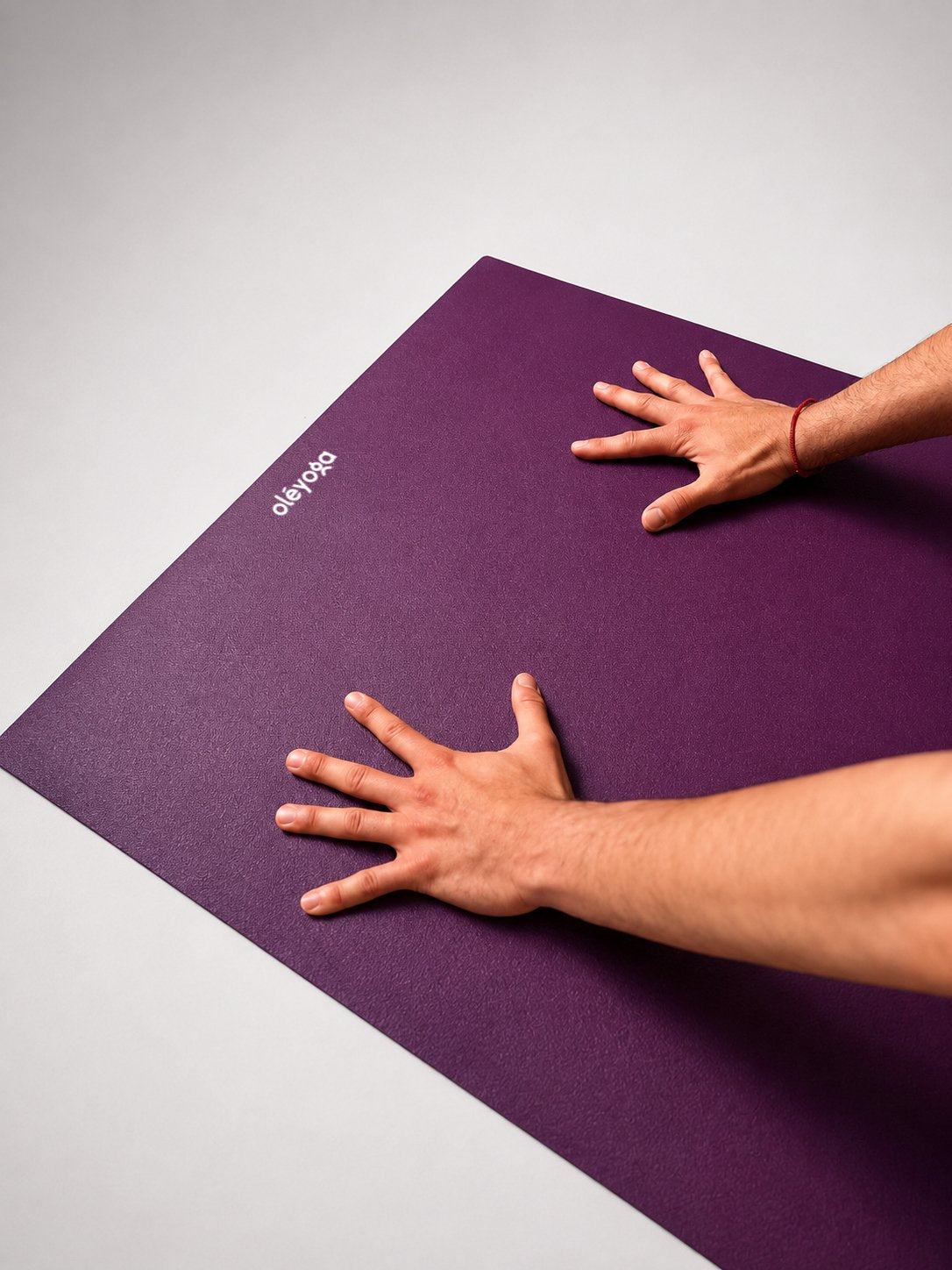
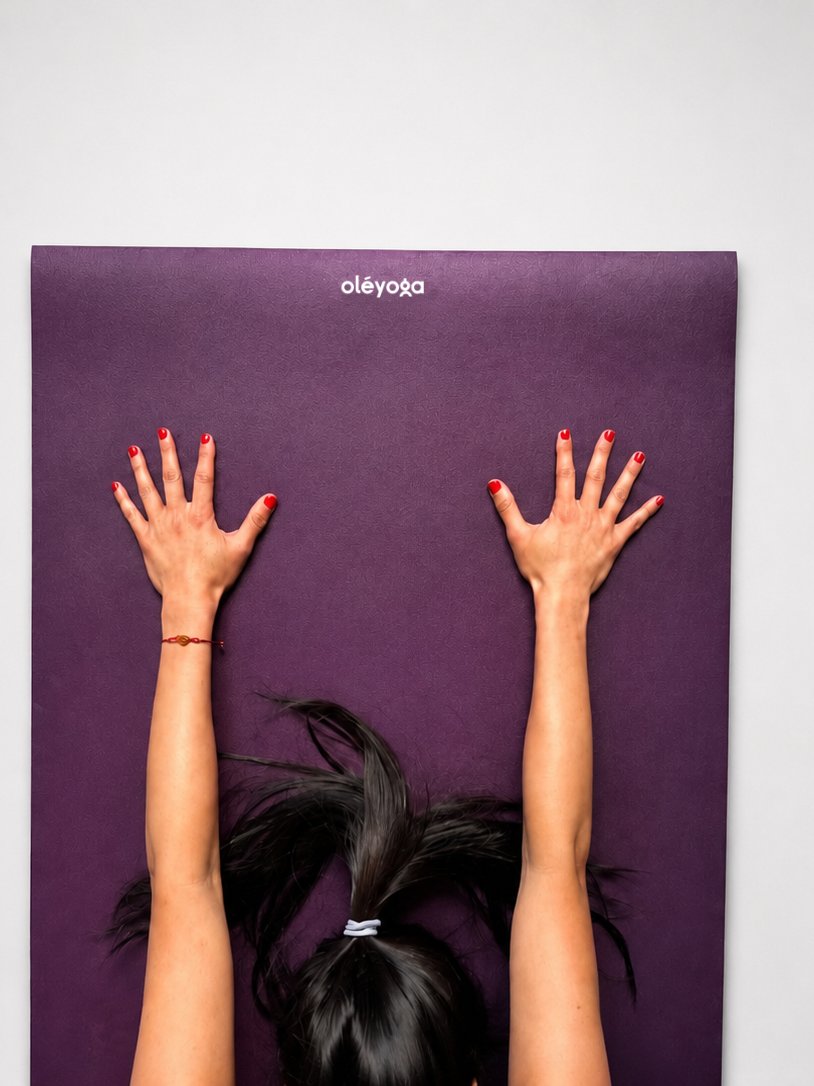
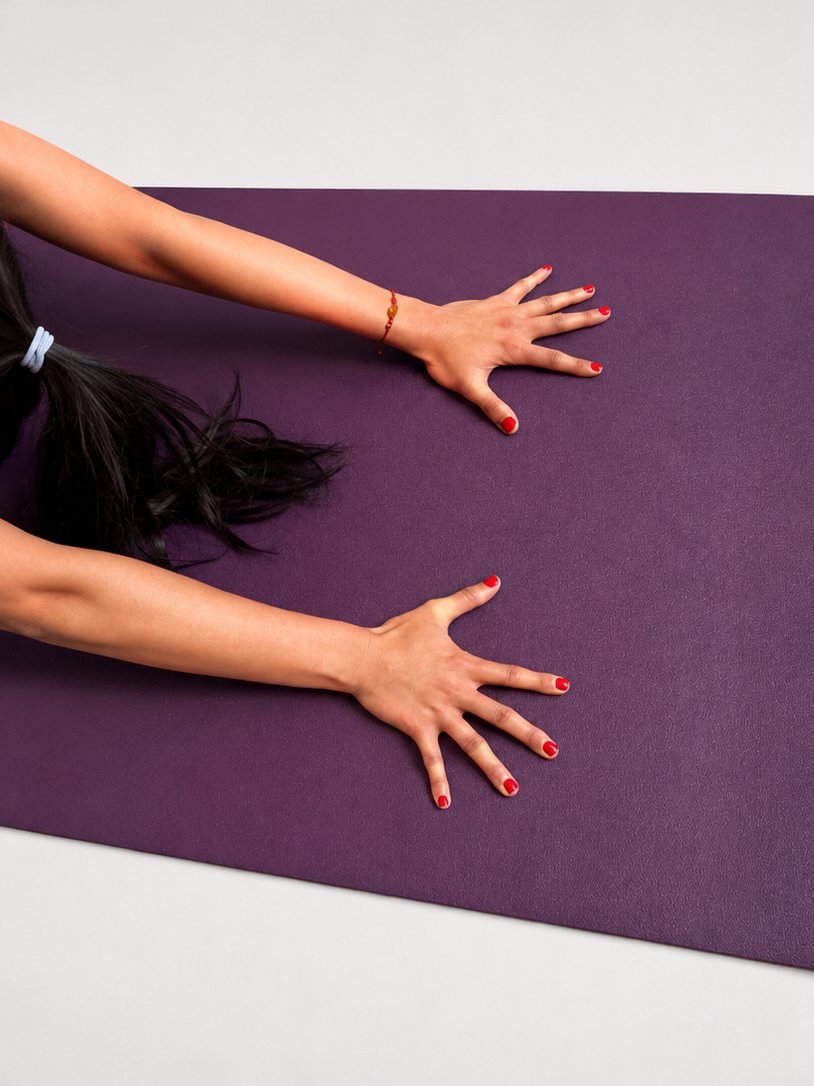
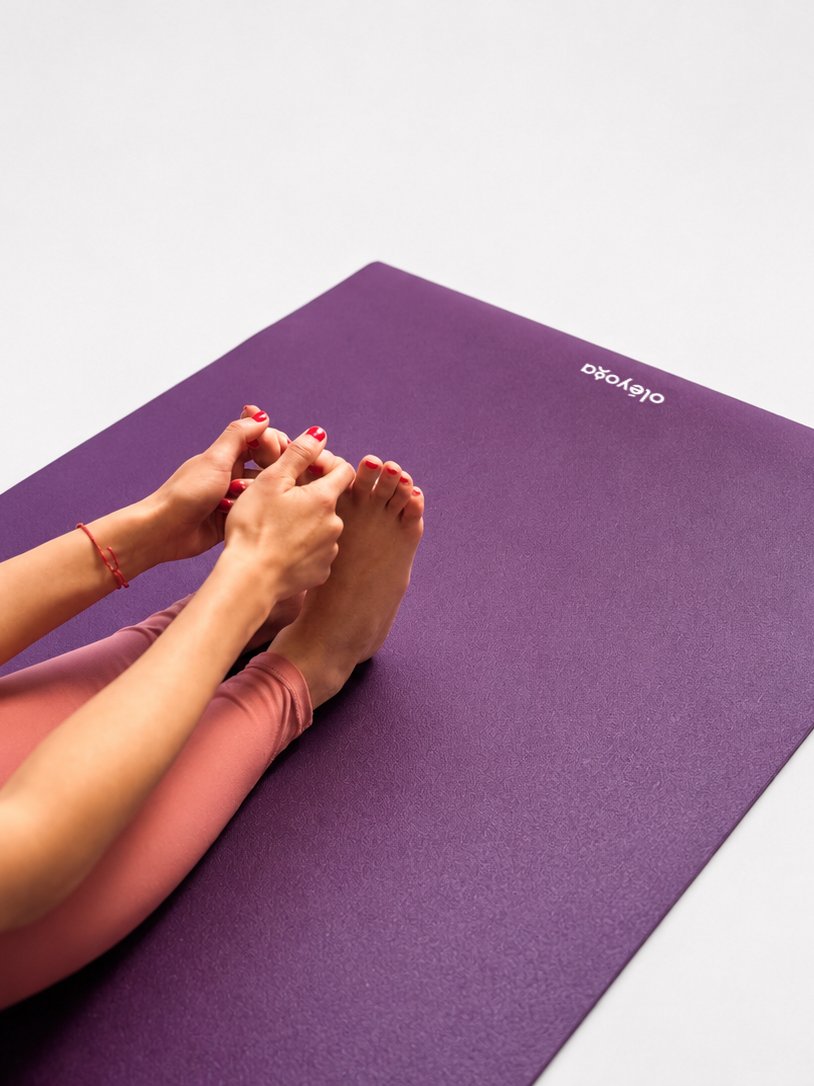
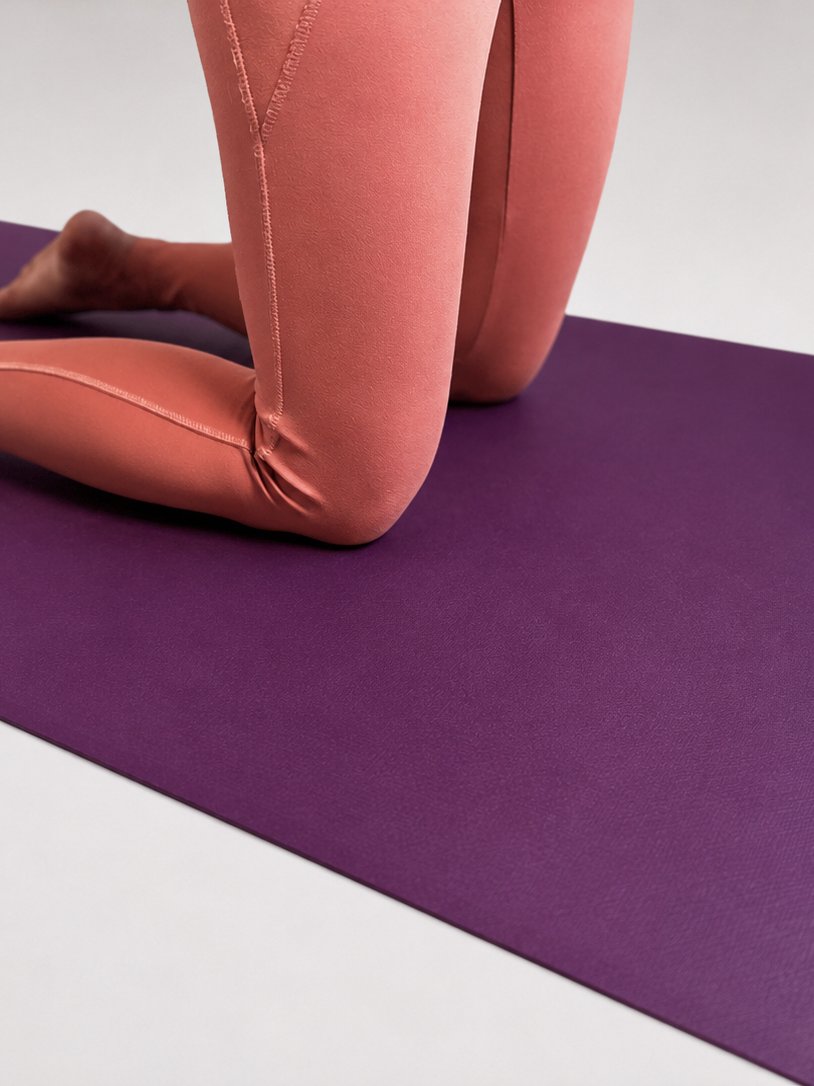
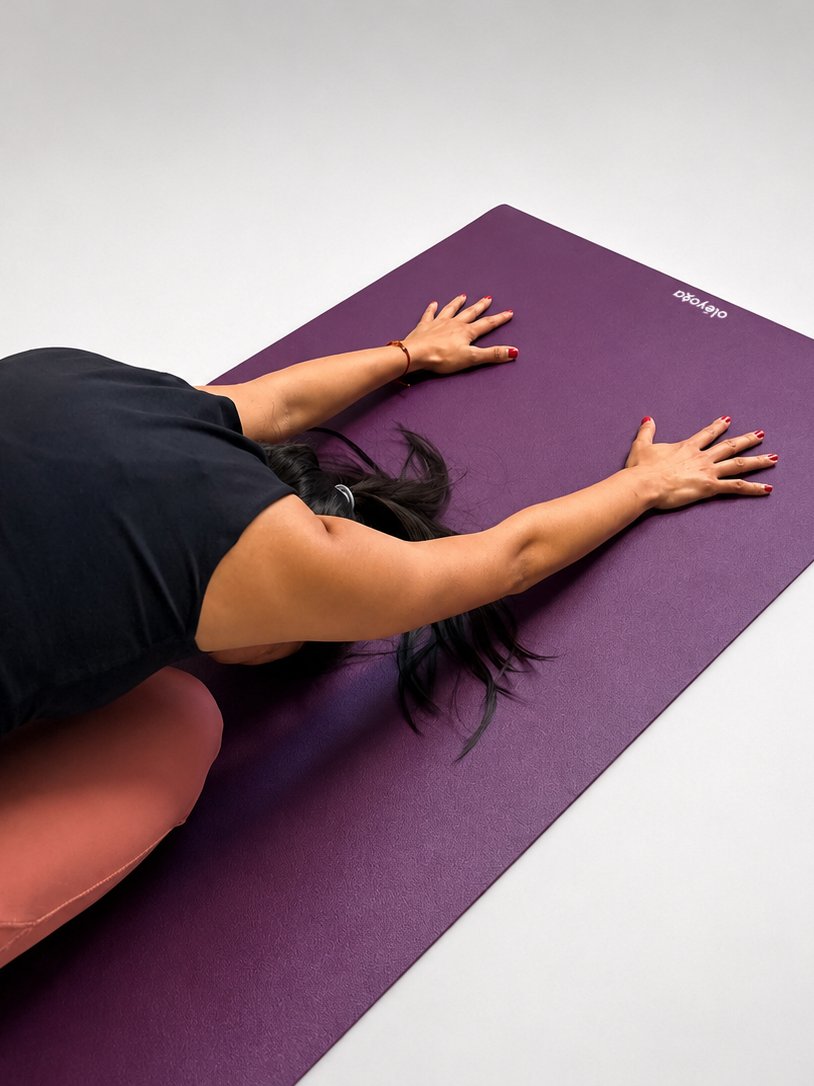
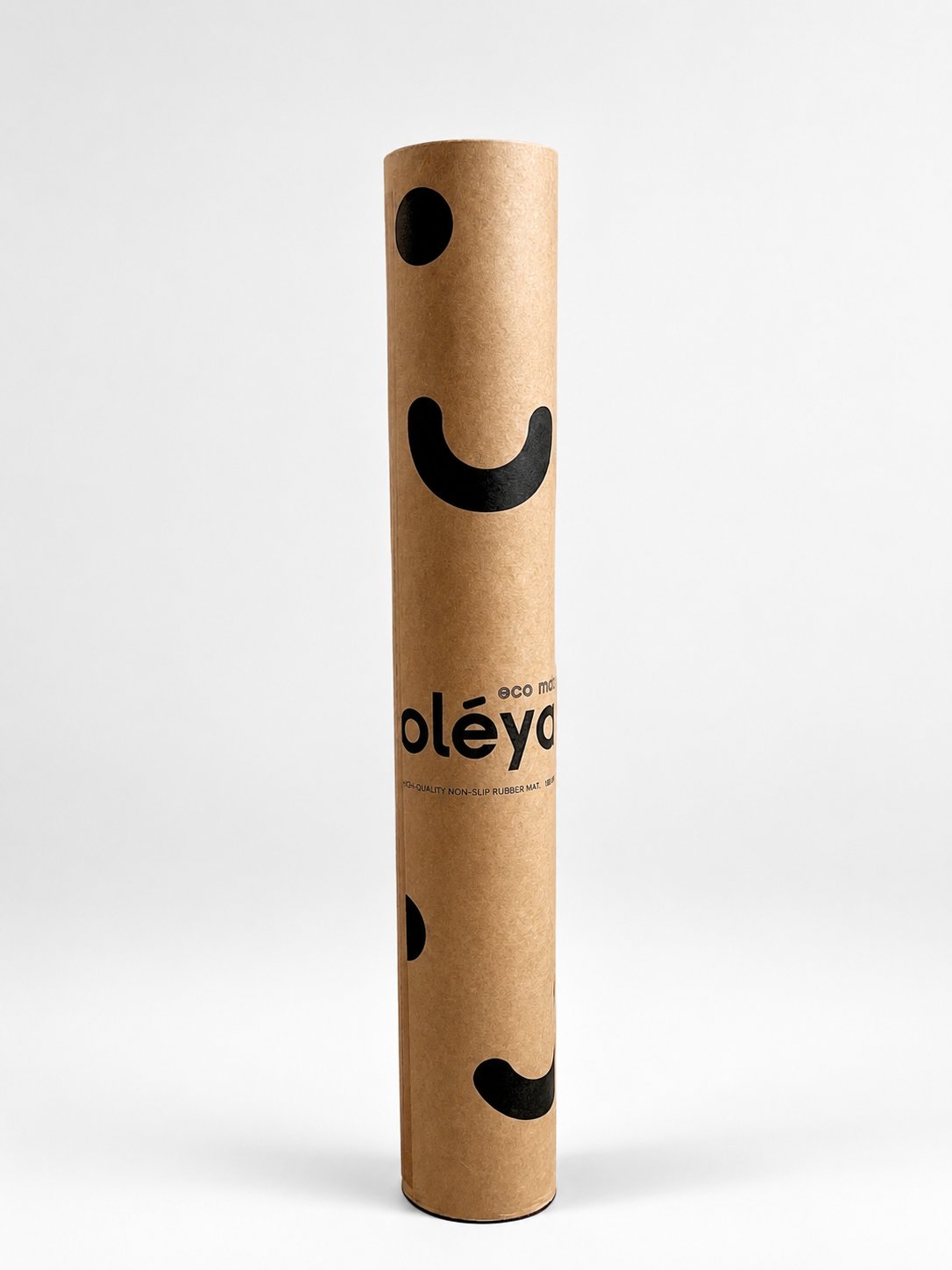
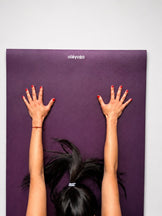
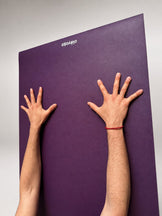
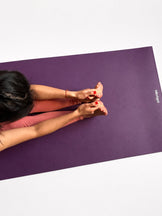
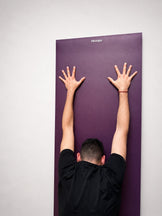
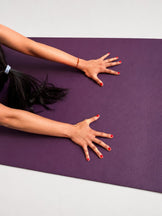
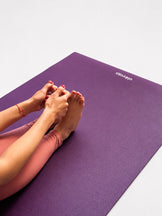
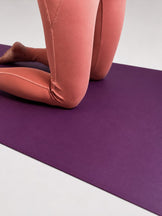
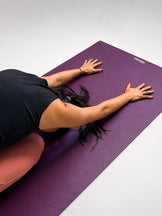
Steady natural-rubber grip from the first practice. Made in Europe · 4 mm · 1.8 kg · reversible · OEKO-TEX®.
One yoga session is all it takes to feel it: no more slipping. Made in Europe from 100% natural rubber with a non-slip technology, for a steady, mindful practice.
Store it. Roll it. Take it to class or home. It is reversible and weighs just 1.8 kg.
Join +1000 yogis already practicing on a more sustainable model of yoga.
More on grip
What to do with an old yoga mat
How to clean a natural rubber yoga mat