
Choosing a yoga mat for your style of practice
How to clean a natural rubber mat without ruining it, what really shortens its life, and the signals that say it is finished.
Different practices load a mat in completely different ways. A fast vinyasa asks for grip that survives sweat and a surface that does not move. A yin session asks for something you can lie on for five minutes without your hip going numb. Those are opposite requirements, and no single mat is best at both.
The question is not which mat is best. It is which of the trade-offs you want to make.
What actually changes between styles
Three variables, and every style weights them differently:
- Grip under sweat. Rises with intensity and room temperature. Dominant in vinyasa and ashtanga.
- Sustained comfort. Matters when you hold a shape for minutes rather than breaths. Dominant in yin and restorative.
- Stability. How much the surface sinks under load. Dominant in standing and balancing work, and it is the one people confuse with cushioning.
The confusion worth undoing: thicker is not more supportive, it is less stable. A soft mat sinks under a foot or a hand and takes your base with it. That is density versus thickness, and it decides more than the style label does.
By style
| Practice | What it asks for | What to prioritise |
|---|---|---|
| Vinyasa | Fast transitions, sweat building through the session | Grip and stability |
| Ashtanga | A daily series, heavy load through the hands | Grip and durability |
| Hatha | Medium holds, a lot of standing work | Stability |
| Yin | Five minutes a pose, very little sweat | Density rather than thickness, plus props |
| Restorative | Everything supported on bolsters and blankets | The mat matters less than you would think |
| Hot yoga | Sustained heat, continuous sweat | Not our mat |
Where our mat fits, and where it does not
The Eco Daily is 4 mm of natural rubber with a closed cell surface, 1.8 kg. That is built for a general daily practice on a hard floor: vinyasa, hatha, ashtanga, and yin if you use props for the deep holds.
We do not recommend it for hot yoga. Sustained heat and heavy sweat are where a closed cell surface loses to an open cell one, and we have said so since before this page existed. If your practice is consistently hot, buy cork and use a towel. We compare them in natural rubber or cork.
And if you carry your mat to a studio every day, 1.8 kg is a real cost. That trade is set out honestly in why rubber mats are heavy.
What to decide before you buy
- How much do you sweat? It decides more than the style. If the answer is a lot, read the mat for sweaty hands first.
- Where do you practise? A hard floor and a carpeted room are different problems.
- Do you carry it? Weight only matters if it moves.
- How long do you hold? Long holds are a density question, and often a props question rather than a mat one.
Frequently asked questions
Do I need a different mat for each style?
No. Most people practise more than one and need one mat that handles their main one well. Buying for the practice you do occasionally is how people end up with a mat that suits nothing.
Is a 6 mm mat better for yin?
Softer, not necessarily better. It sinks under standing work and can make long holds less stable, and a blanket under the knee or hip solves the same problem locally.
What about pilates or fitness?
Different requirement: more cushioning, less grip. A yoga mat works and is not optimised for it.
Does thickness change the grip?
No. Grip comes from the surface and the density. Thin rubber still grips; thin plastic still slides.
The short version
Pick for how much you sweat and where you practise, not for the name of the style. And if your practice is hot, ours is not the mat.
More on the material in our guide to natural rubber, and on grip in what actually makes a mat non-slip. The mat is here.
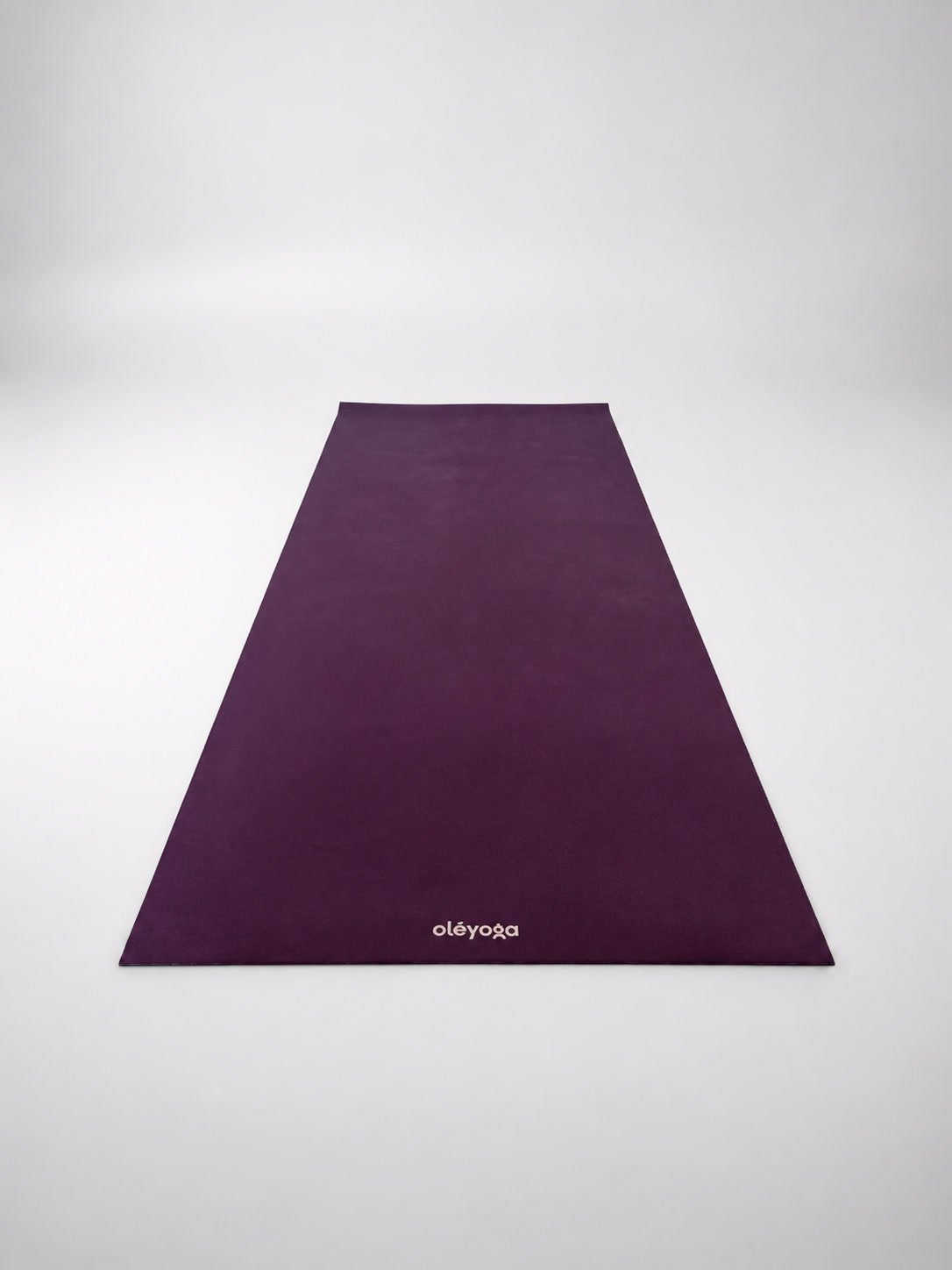
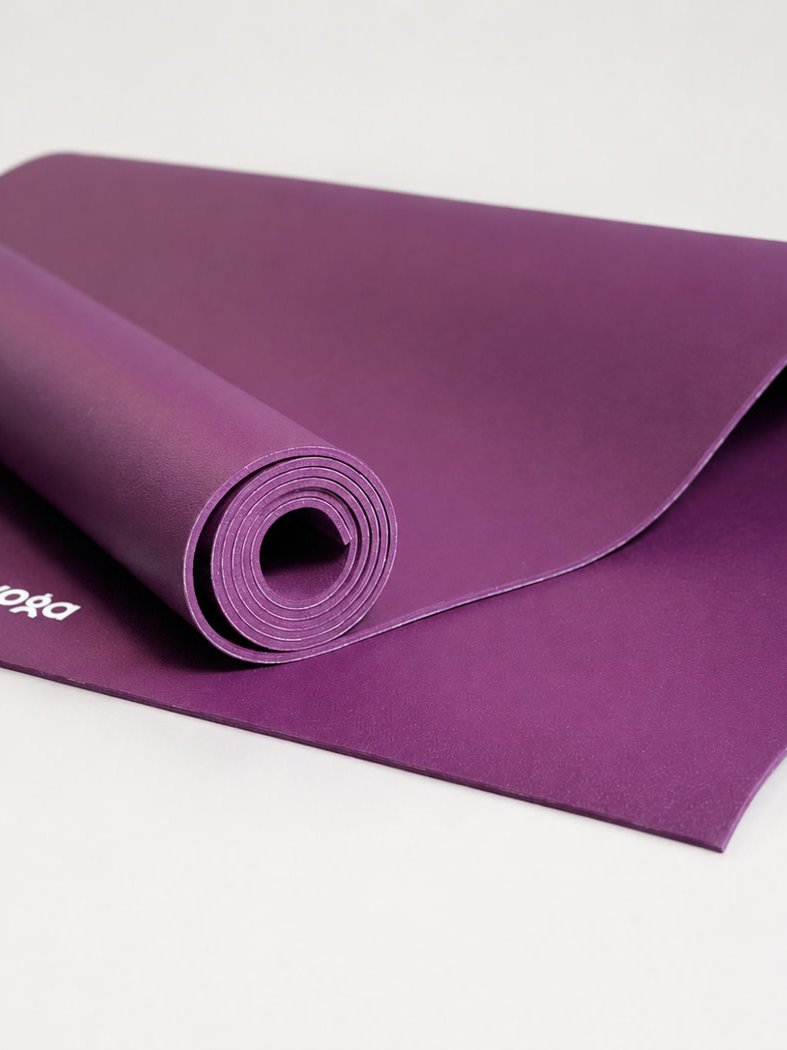
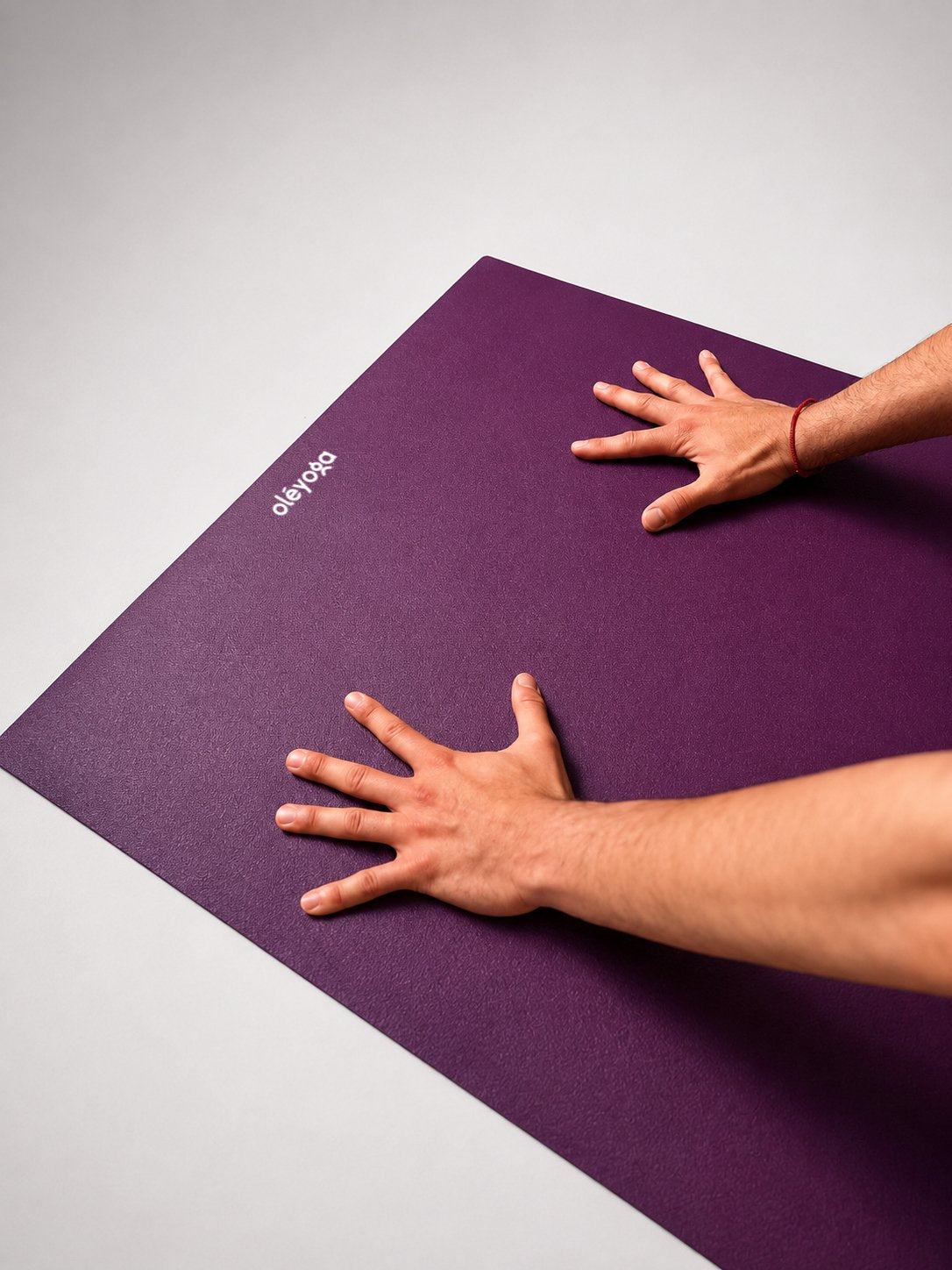
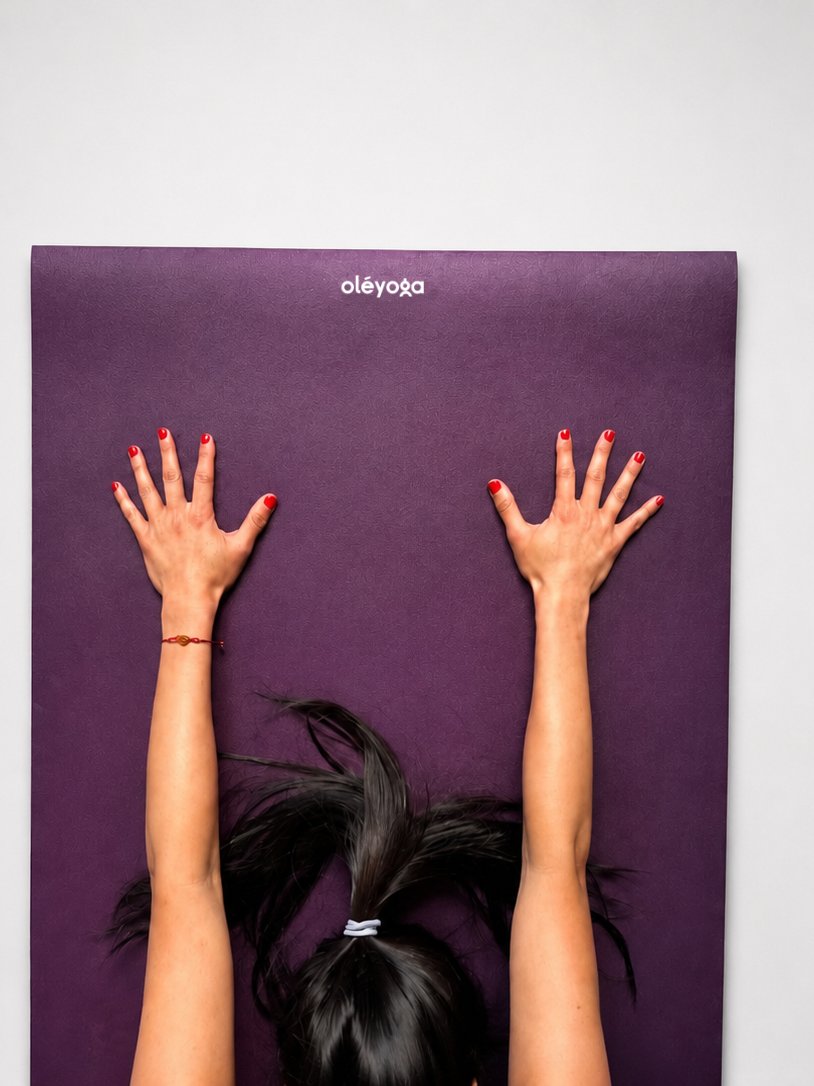
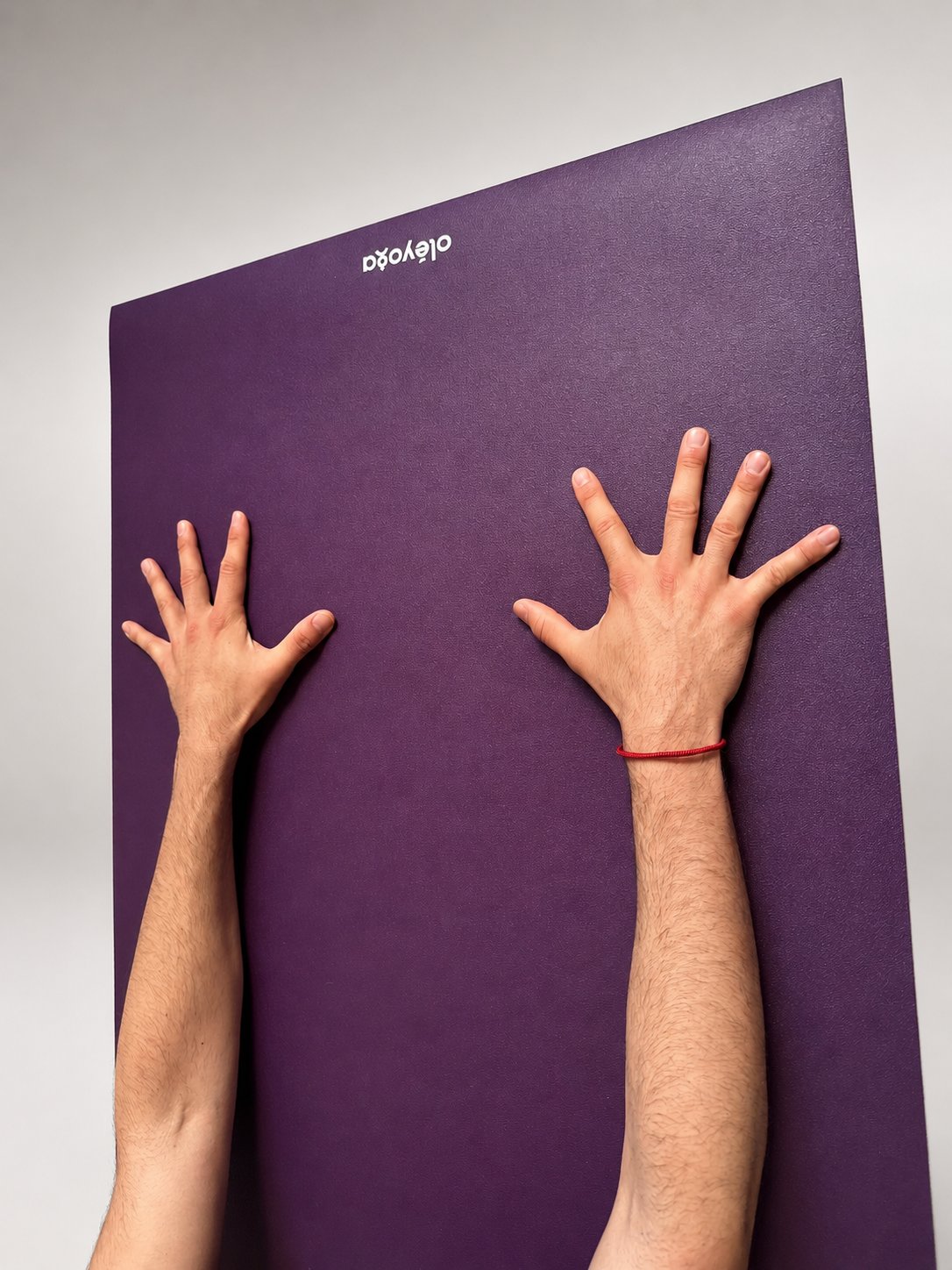
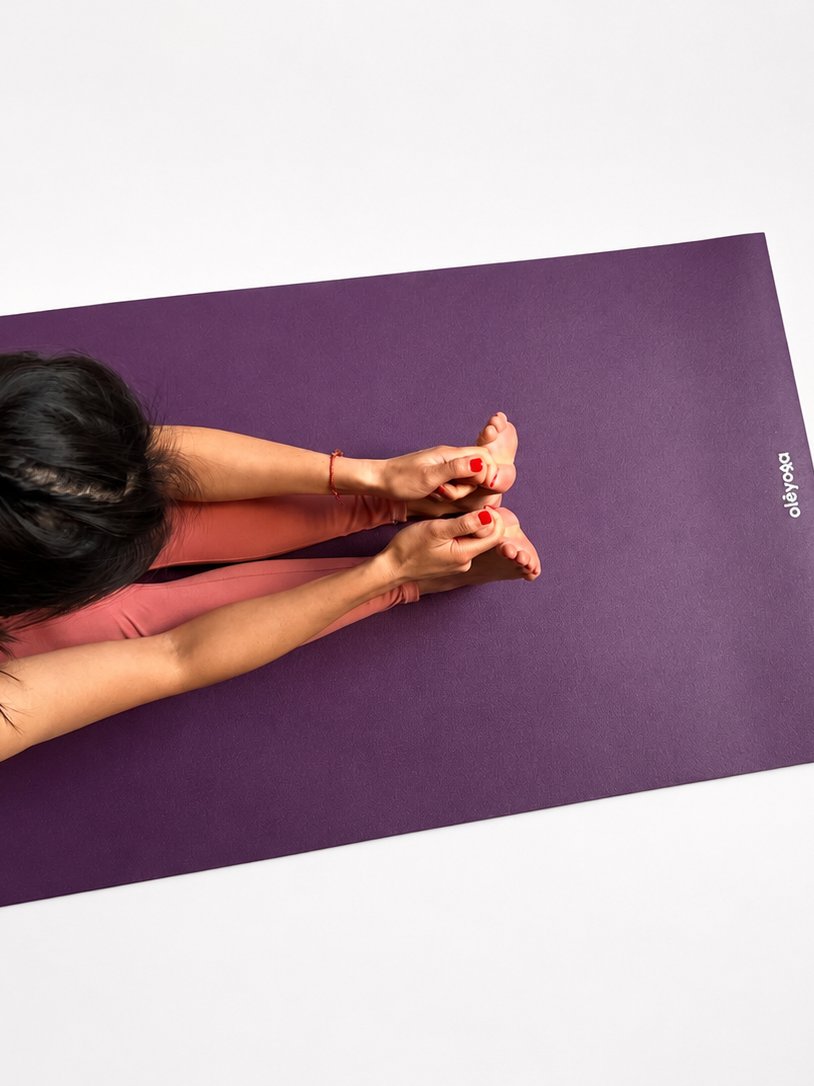
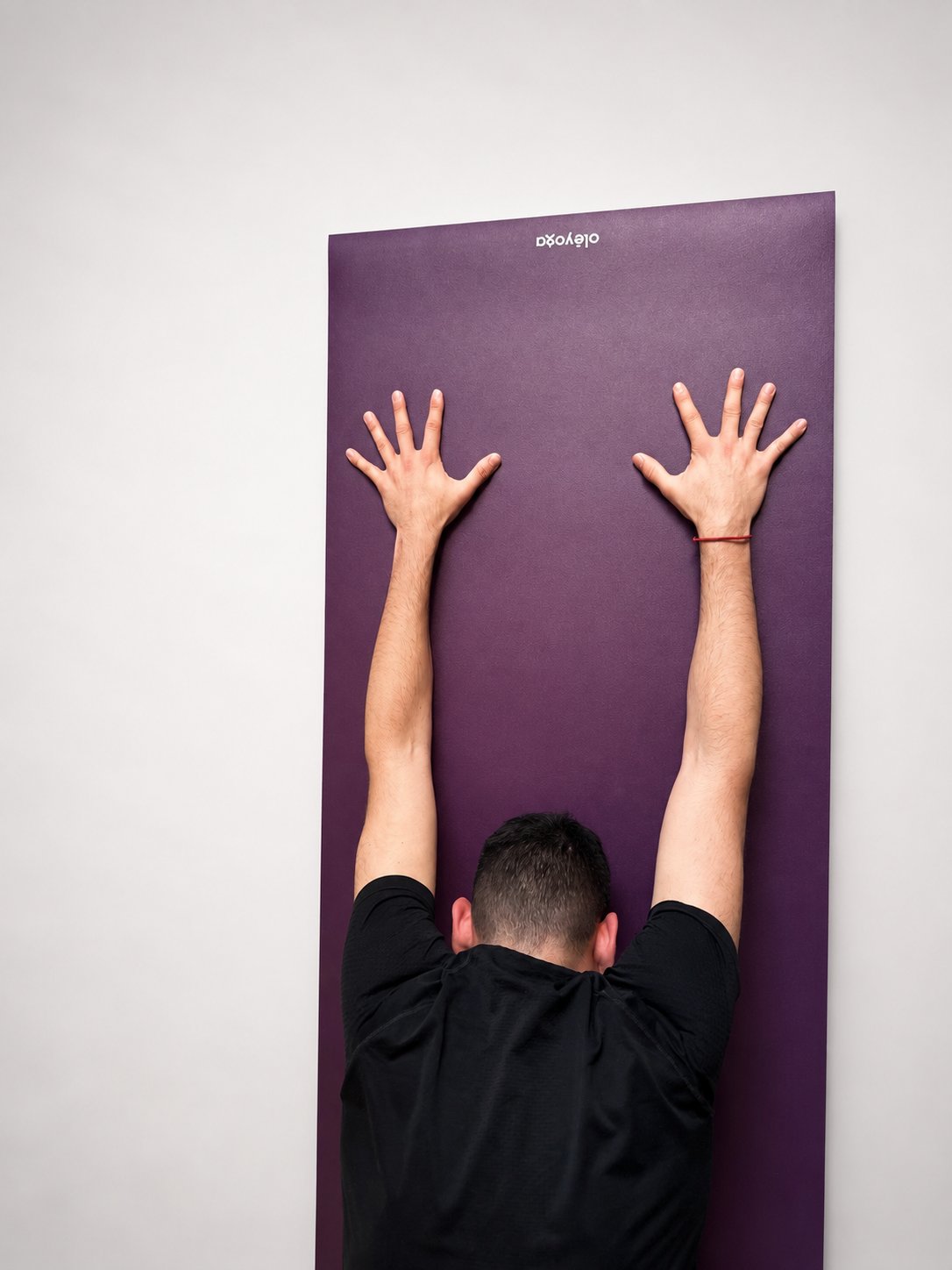
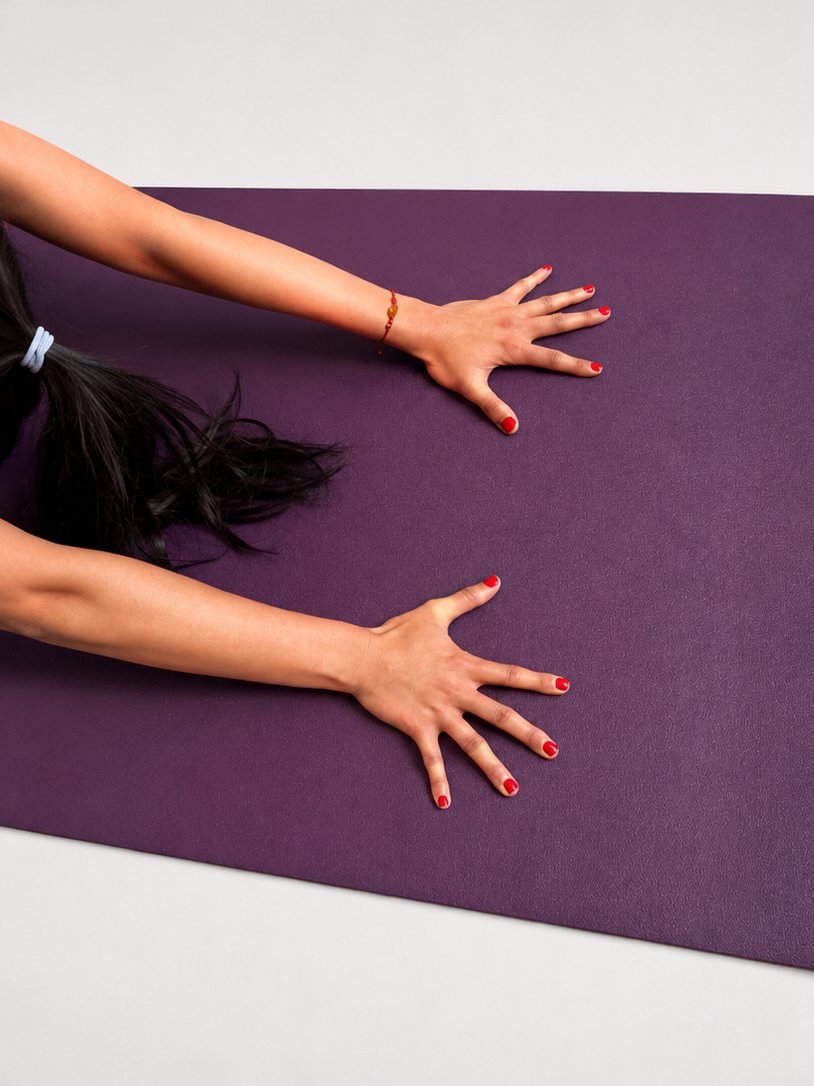
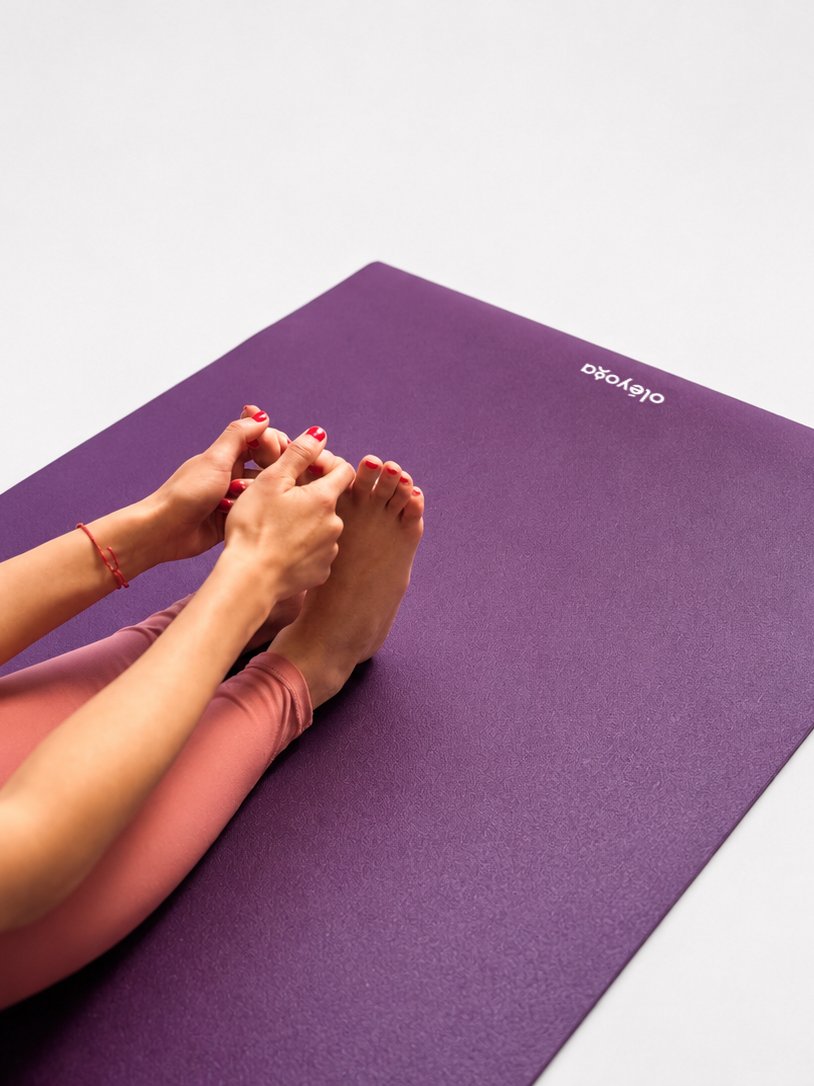
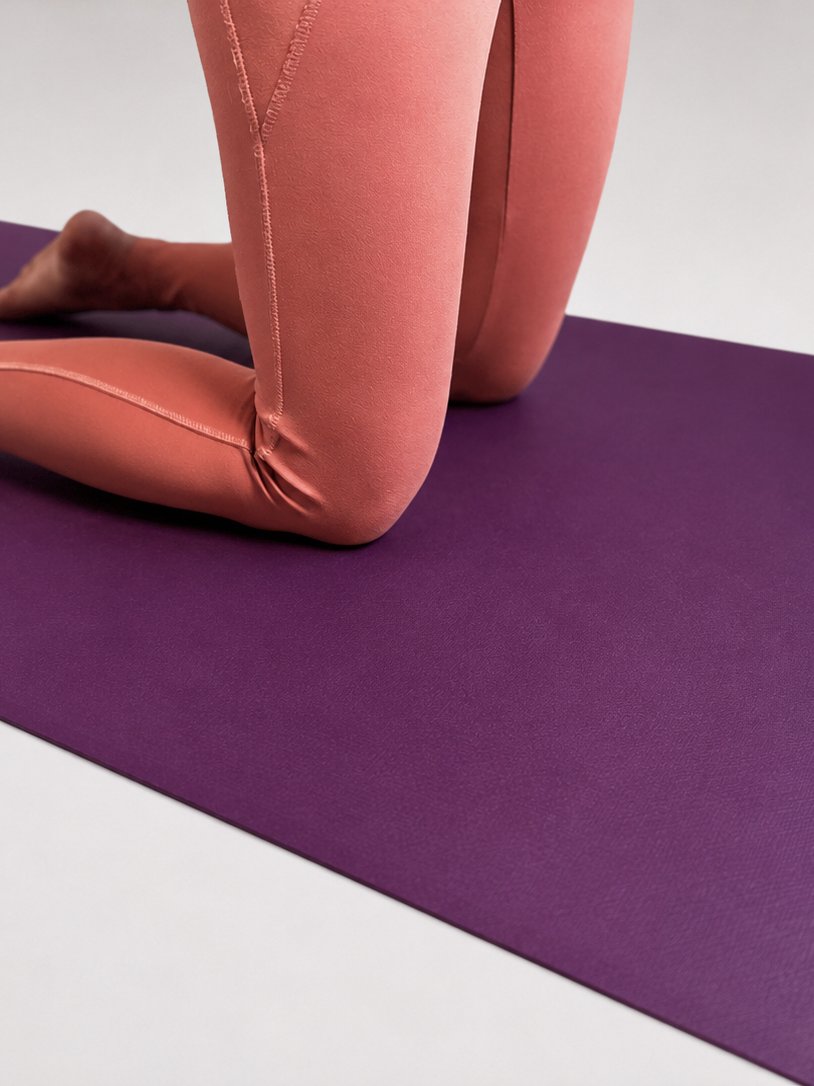
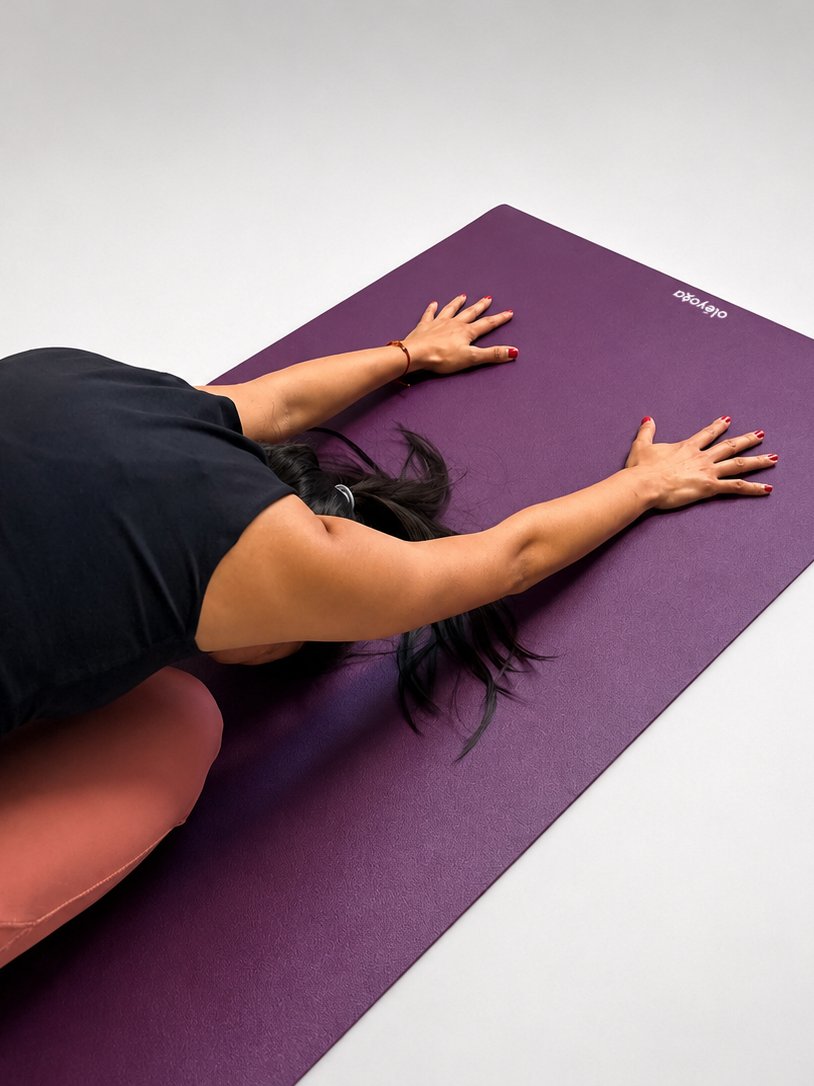
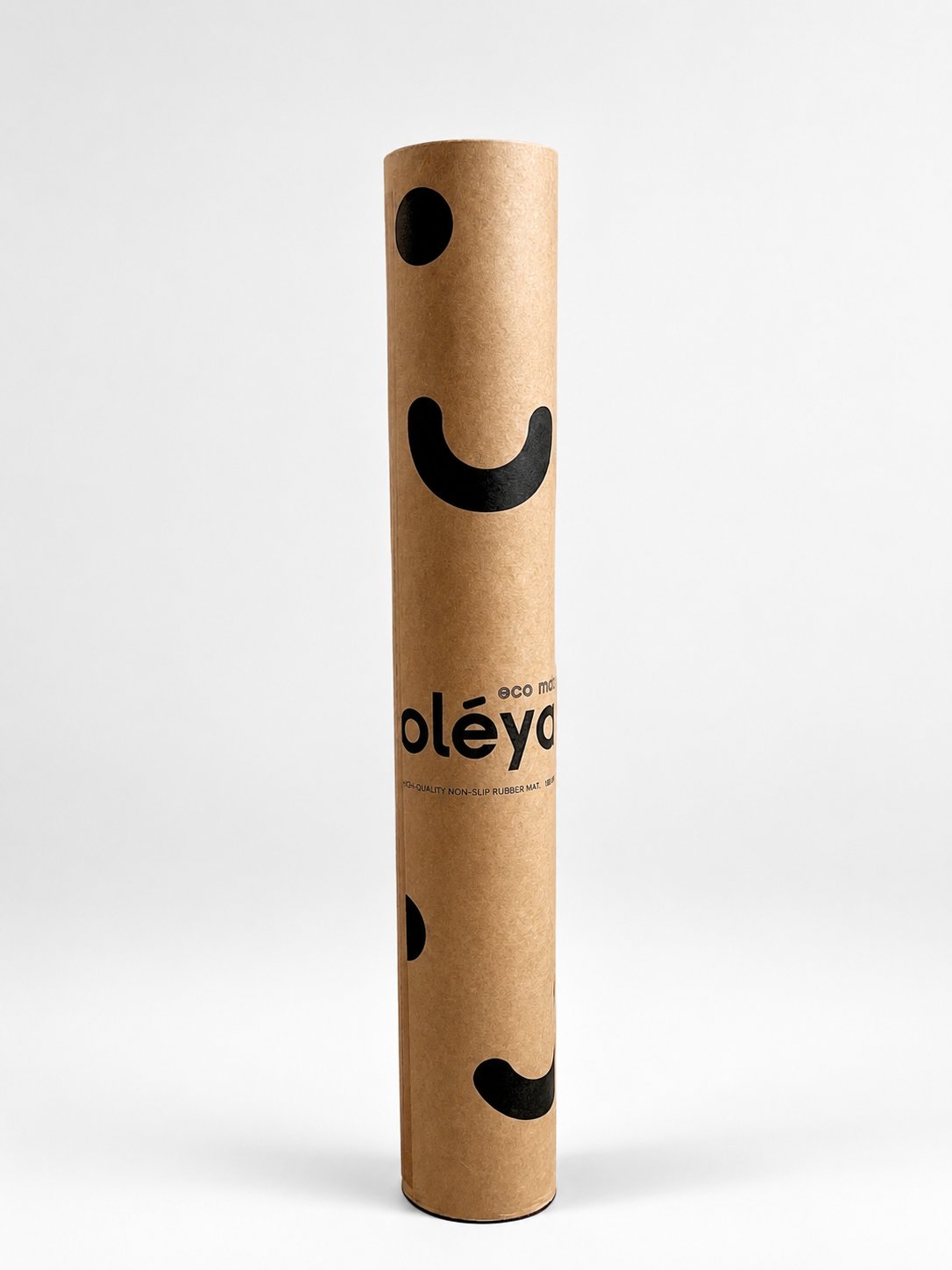
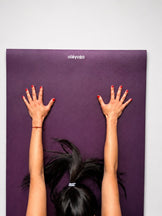
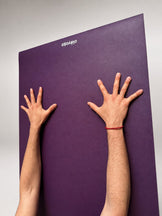
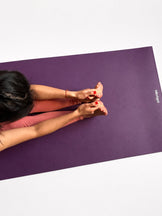
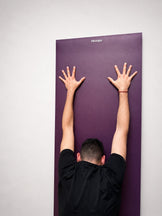
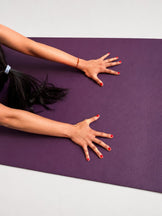
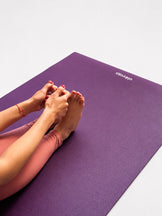
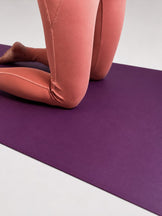
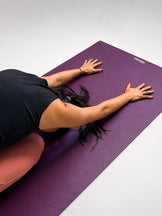
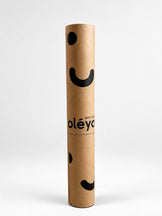
Steady natural-rubber grip from the first practice. Made in Europe · 4 mm · 1.8 kg · reversible · OEKO-TEX®.
One yoga session is all it takes to feel it: no more slipping. Made in Europe from 100% natural rubber with a non-slip technology, for a steady, mindful practice.
Store it. Roll it. Take it to class or home. It is reversible and weighs just 1.8 kg.
Join +1000 yogis already practicing on a more sustainable model of yoga.
More on looking after your mat
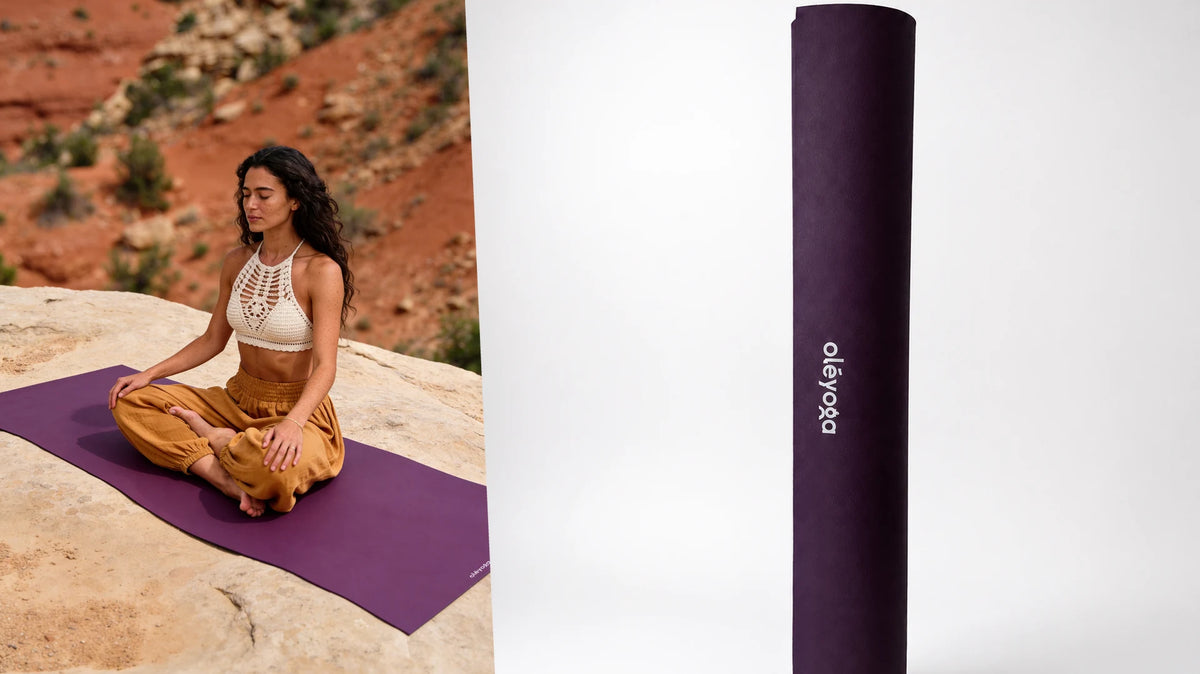
Long holds and mat density
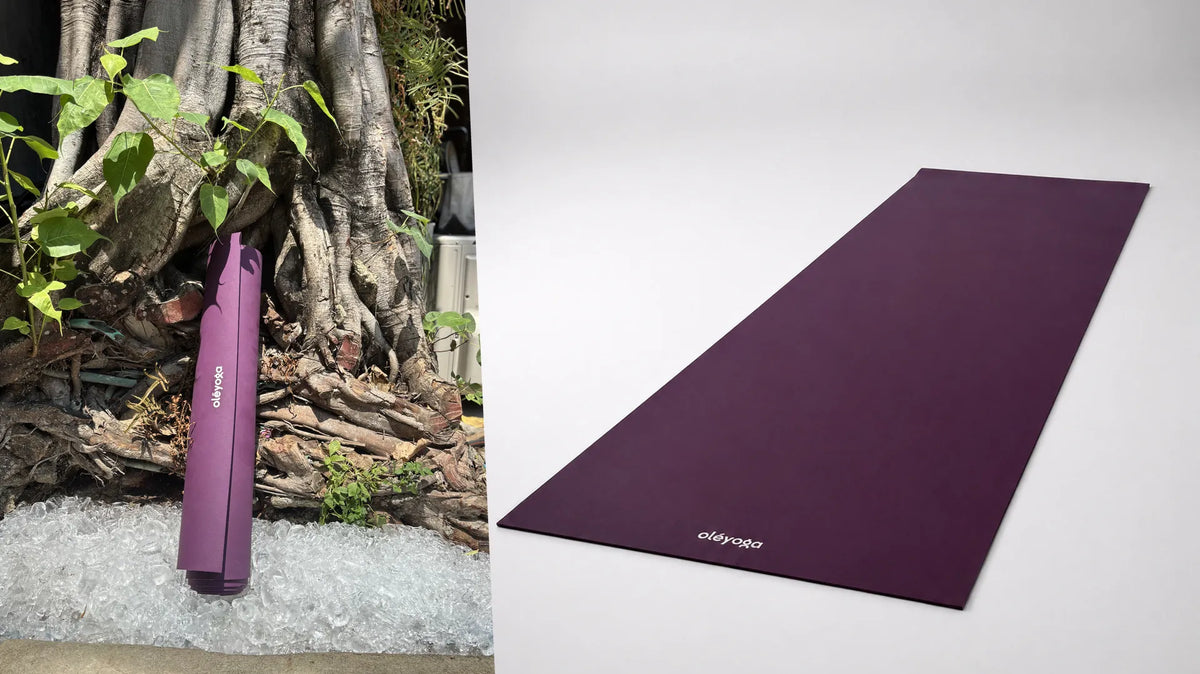
What to do with an old yoga mat