
Where to practice yoga (and on what)
Home, studio or outdoors: what each floor gives you, and what it quietly costs.
Anywhere you can lay out 185 by 65 centimetres of flat ground. That is the honest answer, and it is also where the real question begins: home, studio and outdoors are not the same practice, because the floor underneath is not the same floor. This page maps the places people actually practise, what each surface gives you, and what it quietly takes away.
The three places practice actually happens
| Place | The usual floor | What it demands |
|---|---|---|
| Home | Parquet, tile, sometimes carpet | A mat that stays put on smooth floors and stays firm on soft ones |
| Studio | Sprung wood or technical flooring | The easiest floor you will ever practise on; the question is whose mat you stand on |
| Outdoors | Grass, stone, sand, decking | Tolerance for the irregular, and a surface of your own that you can wash afterwards |
None of these disqualifies a practice. They just change what the two square metres under you have to do.
What every one of them asks of the surface
Strip the scenery away and the job is always the same three things. Grip, so hands and feet stay where you put them when the pose loads them. Firmness, so your balance gets a truthful answer back from the ground. A known, clean square that behaves today the way it behaved yesterday, wherever you unrolled it.
Floors supply these unevenly: a studio floor is firm but shared, a lawn is yours but irregular, a home parquet is smooth enough that hands and mats start to slide. The mat is what makes the three places behave like one.
You do not need a special room to practise. You need two square metres that answer your feet the same way every day.
At home: the floor menu decides
Hard floors are the better base for practice, even though they feel less friendly: a dense mat supplies the padding, and the floor supplies the stability. Carpet works in reverse, comfortable at first touch and vague under a standing leg. If home practice is your main practice, choose the hardest, flattest patch of floor you have and give the mat a permanent spot on it.
In a studio: the floor is solved, the mat is not
Studios have the best floors in yoga, built for exactly this. What they cannot standardise is the surface your skin touches: rental mats vary in material, age and cleaning from one class to the next. Practising regularly on a borrowed surface means renegotiating your grip every session, which is a quiet tax on every balance and every downward dog.
Outdoors: the honest luxury
Grass and sand are forgiving under a knee and gloriously unhelpful under a standing foot, which is why outdoor practice favours standing sequences over balance work. Stone and decking behave more like a floor and less like a mattress. Everything outdoors shares two traits: the ground is irregular, and it is not yours, so the mat becomes both your levelling layer and your hygiene layer.
Spain and Europe run a full season of open-air practice every year, and we keep the dates in our calendar of yoga festivals and events, with a column nobody else records: what surface each one is practised on. For our home city we went further and wrote the whole map: yoga in Madrid, a yogi's guide to the city. And if the practice travels further than the park, a natural rubber yoga mat for travel is the honest version of that conversation.
The thread through all of it
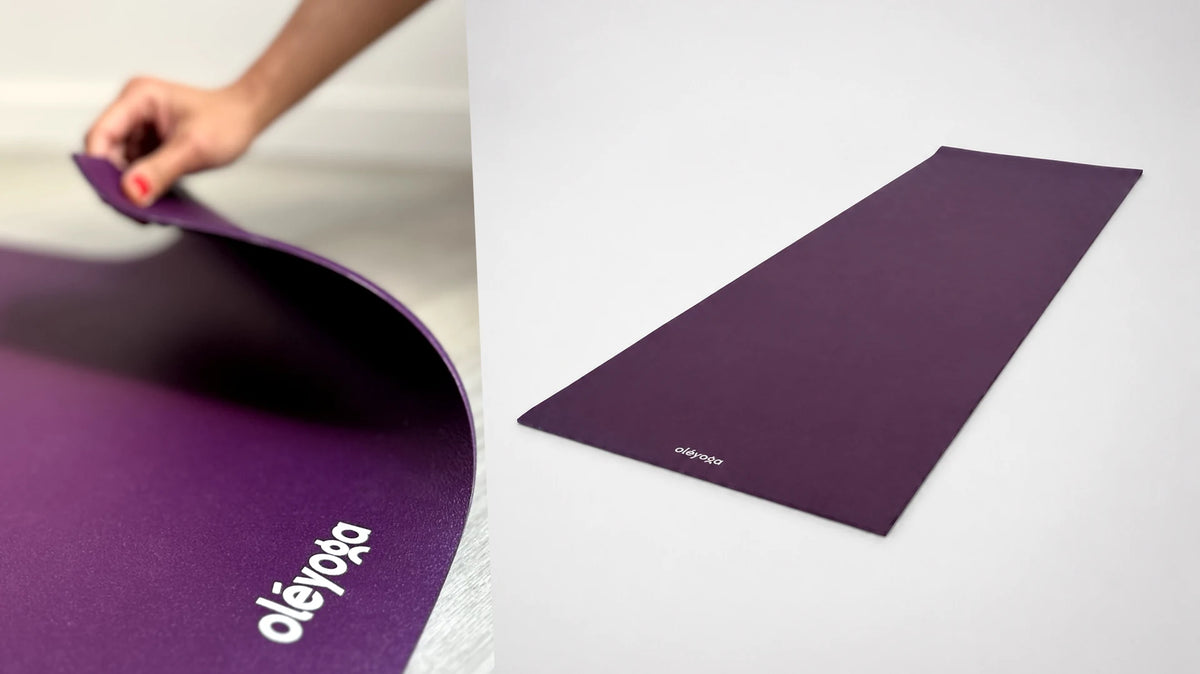
Wherever you practise, the variables underfoot are the same ones: grip when skin meets surface, firmness when balance asks a question, and a square you can keep clean. That is the whole argument behind our guide to non-slip yoga mats, and it is what our natural rubber yoga mat was built to carry between the living room, the studio and the grass: 4 mm dense enough to make any floor firm, grip that works when you sweat, and 185 × 65 cm so the whole practice fits on it.
The short version
Practise where your life makes it easy to practise, because frequency beats scenery. Give the mat the job of making those places interchangeable: firm on carpet, planted on parquet, clean on borrowed floors and level on grass. The place is a preference. The surface is the constant.
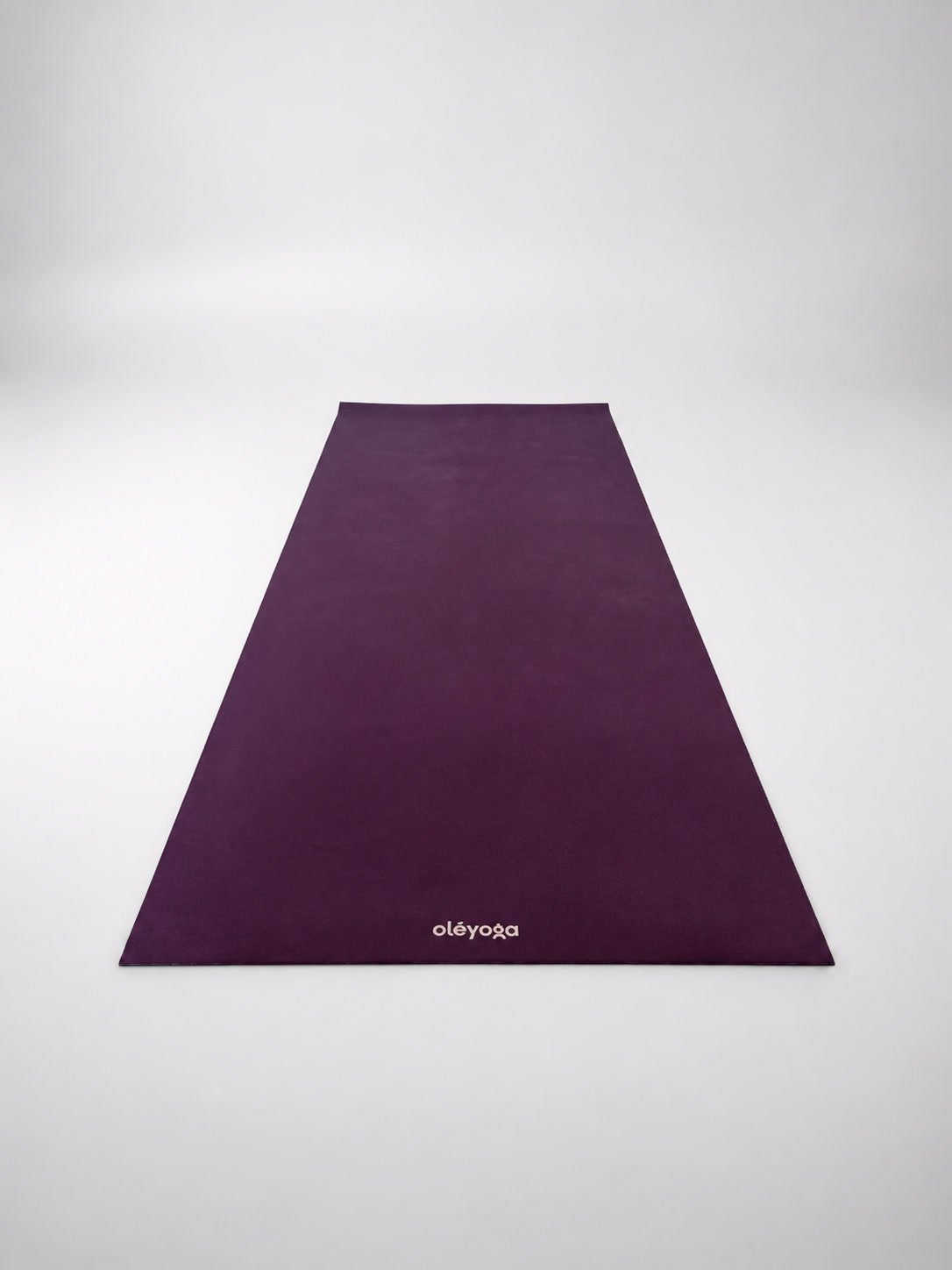
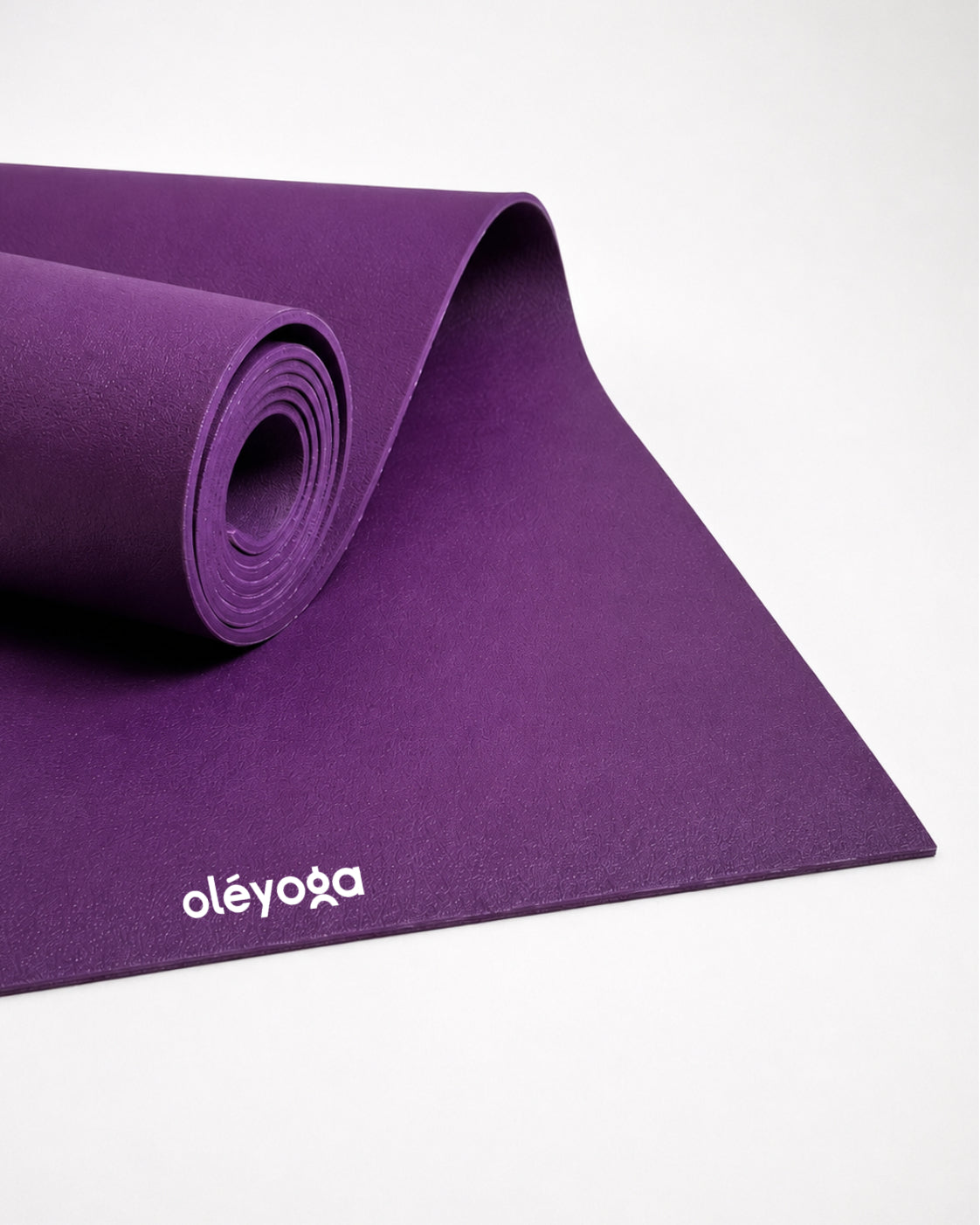
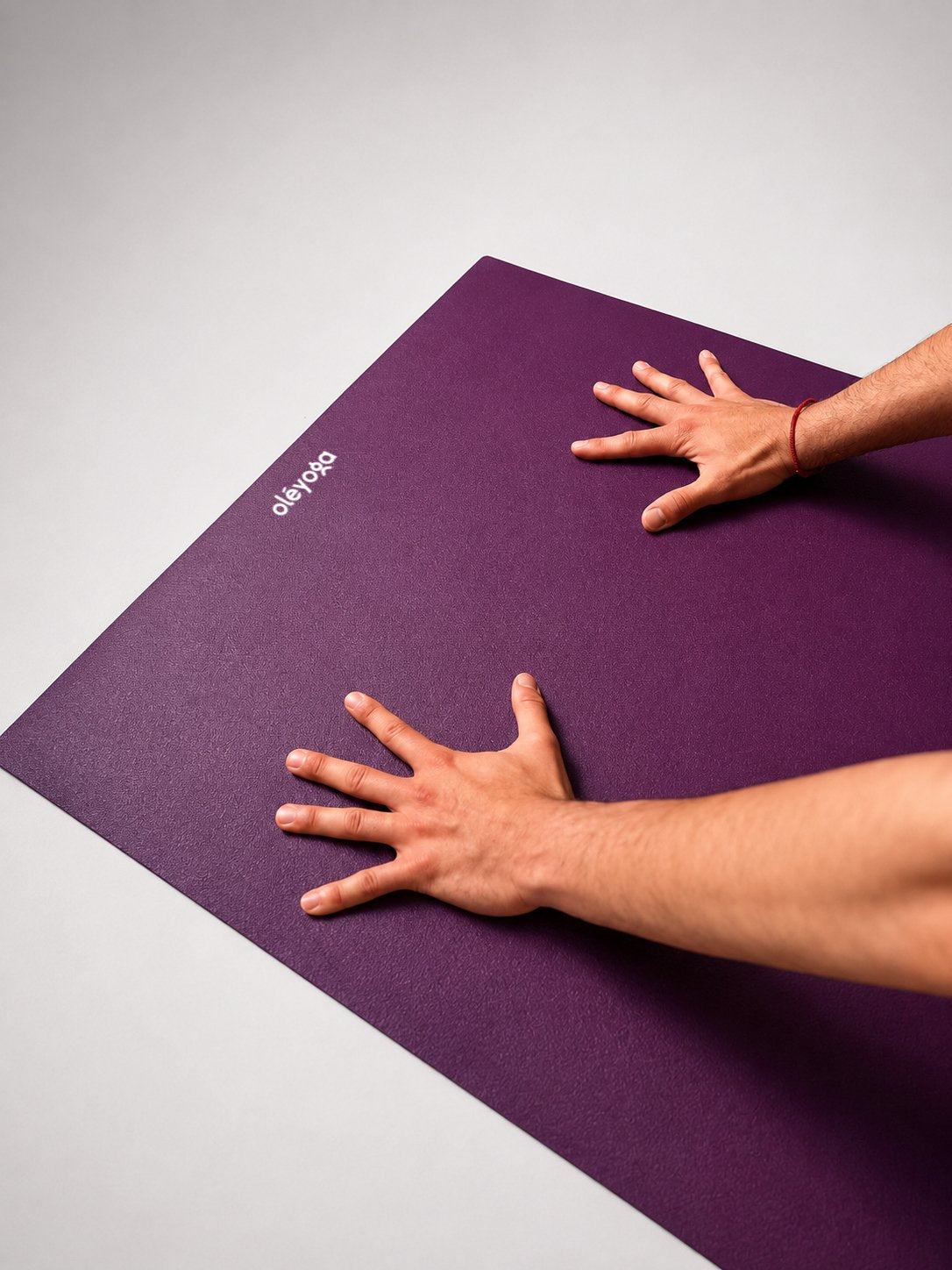
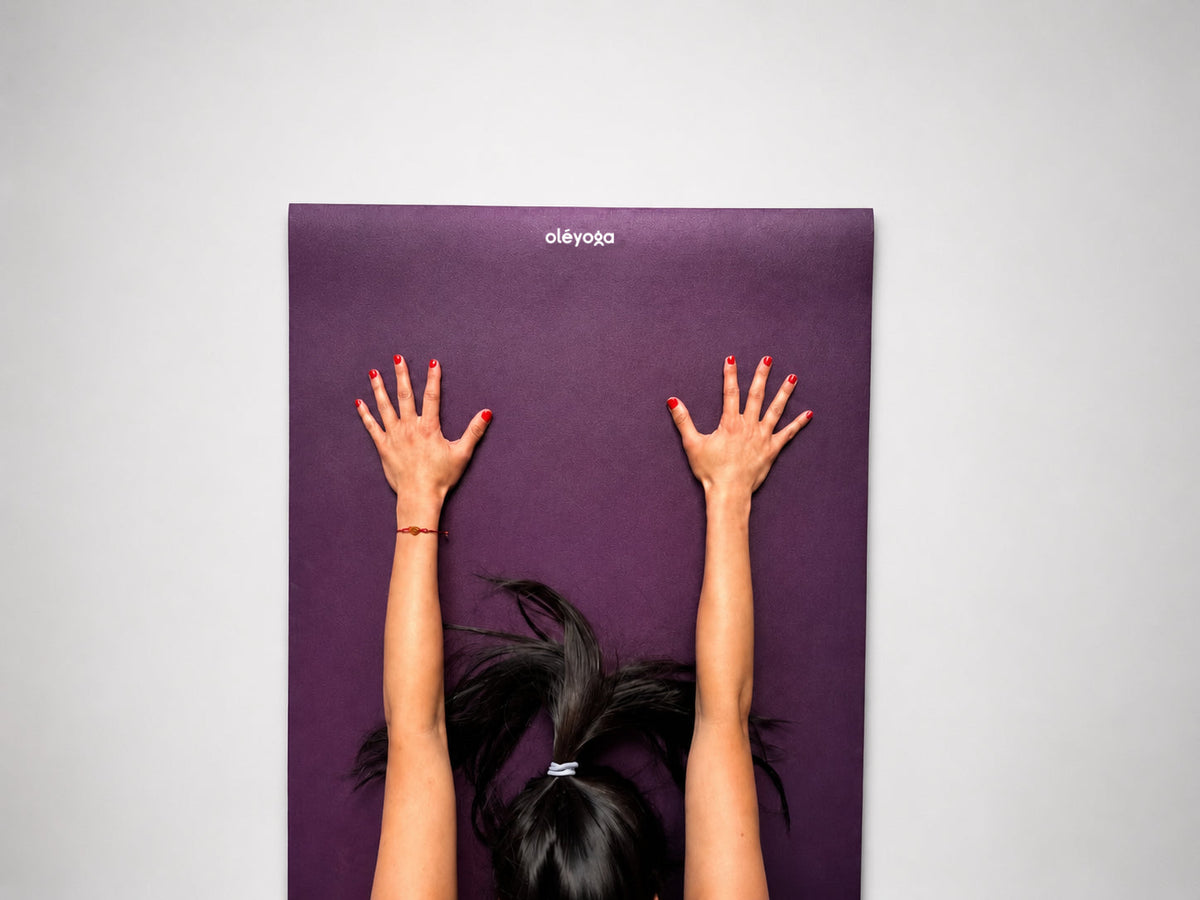
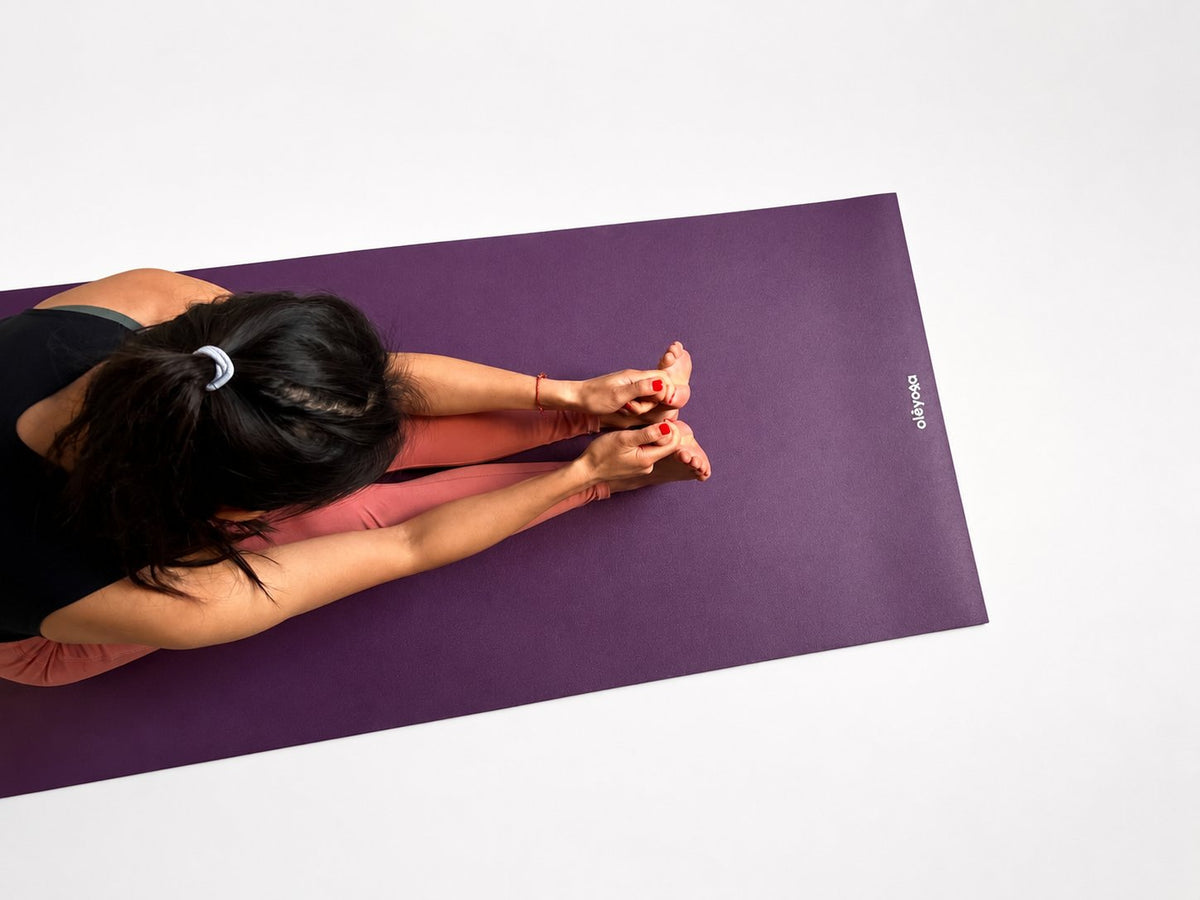
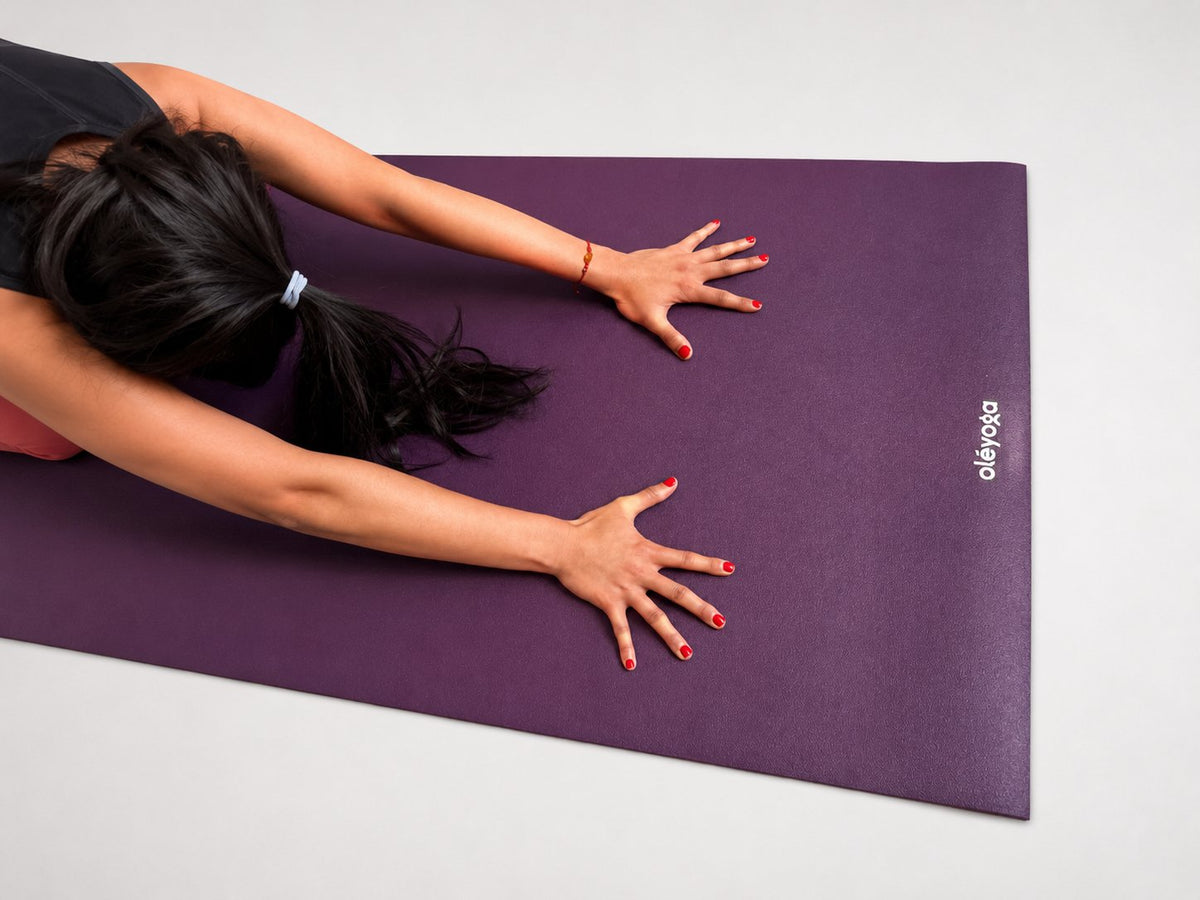
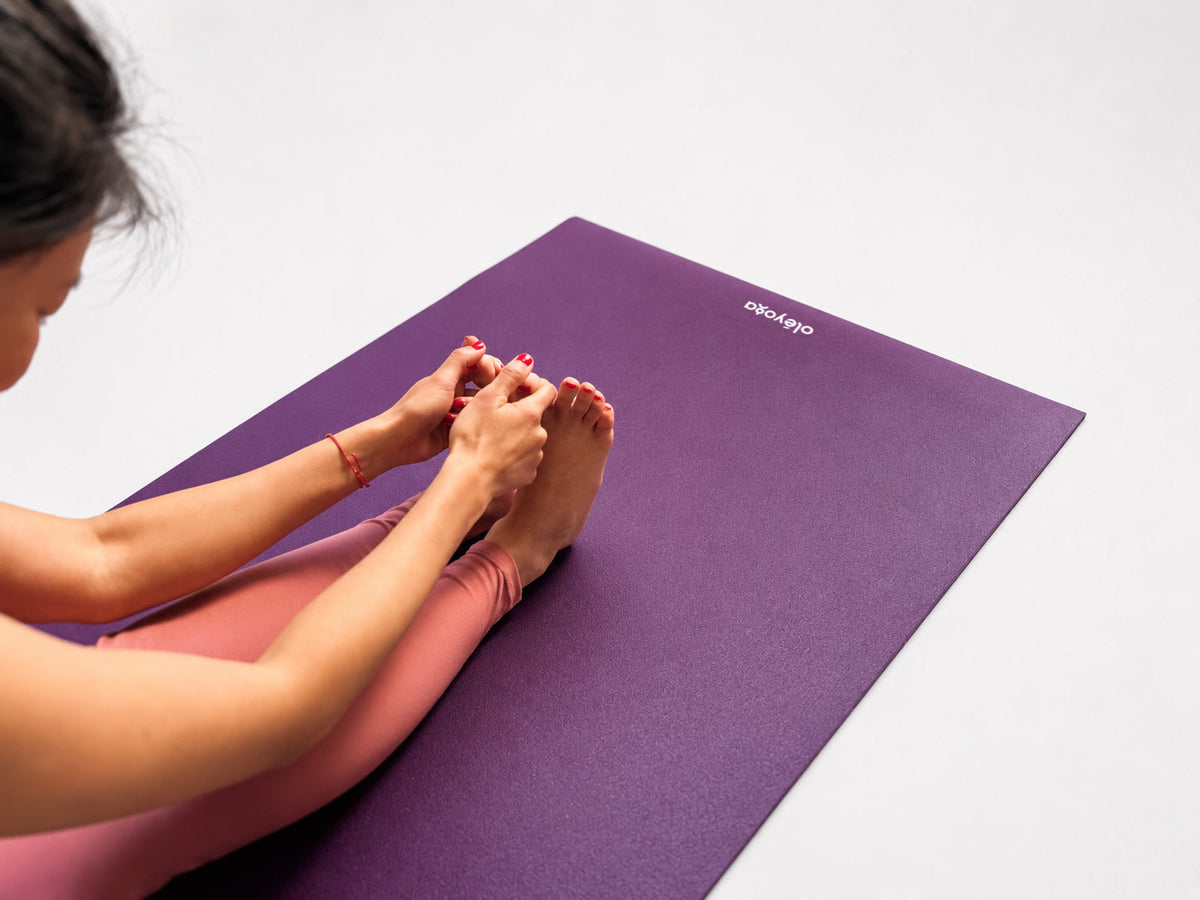
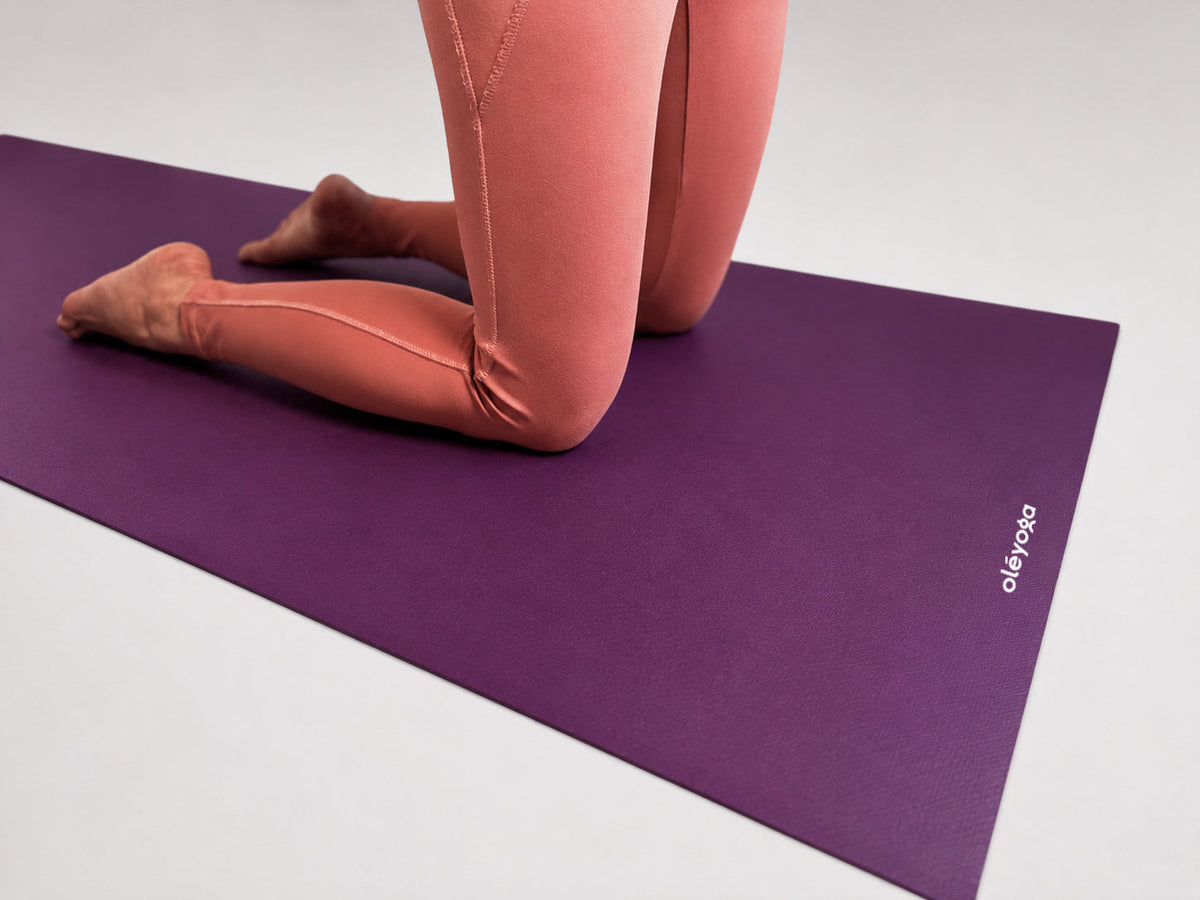
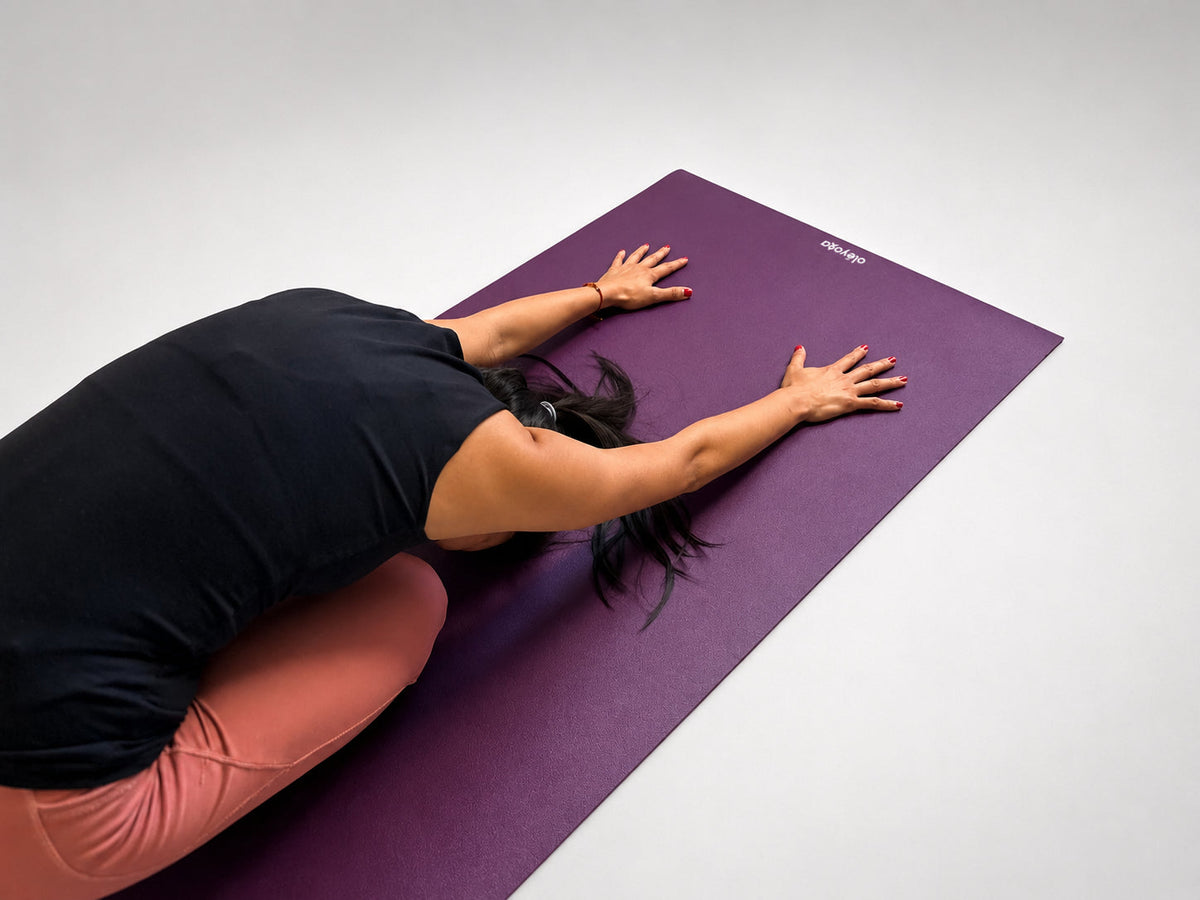
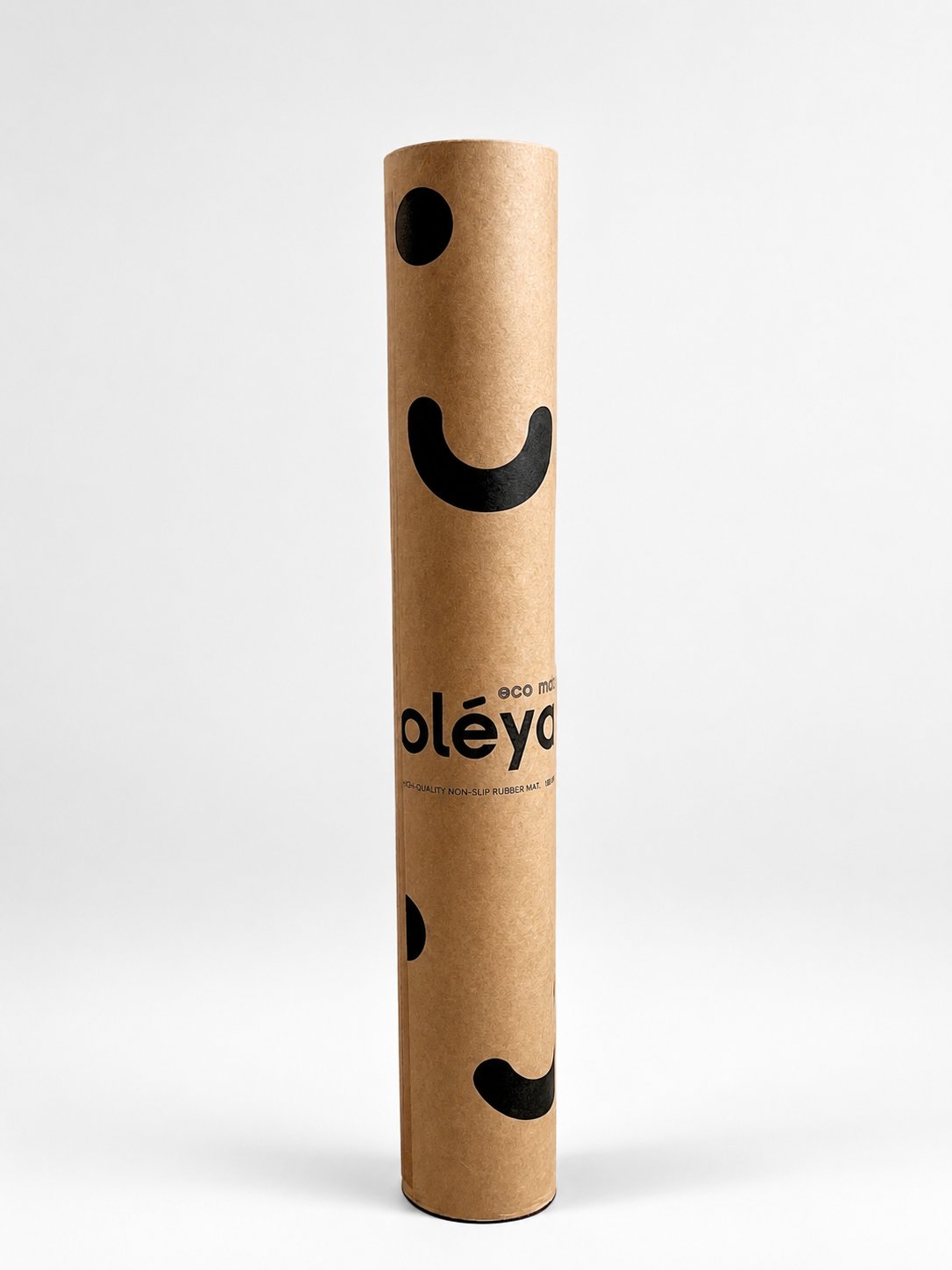
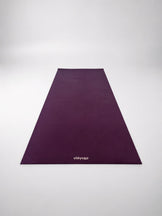
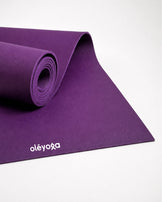
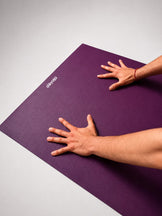
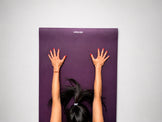
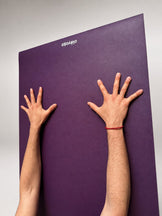
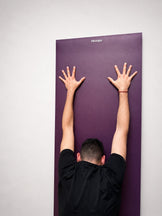
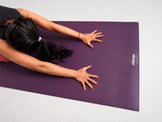
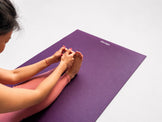
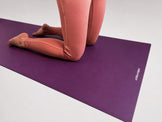
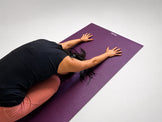
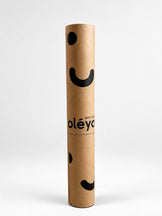
Steady natural-rubber grip from the first practice. Made in Europe · 4 mm · 1.8 kg · reversible · OEKO-TEX®.
One yoga session is all it takes to feel it: no more slipping. Made in Europe from 100% natural rubber with a non-slip technology, for a steady, mindful practice.
Store it. Roll it. Take it to class or home. It is reversible and weighs just 1.8 kg.
Join +1000 yogis already practicing on a more sustainable model of yoga.
More on where you practise
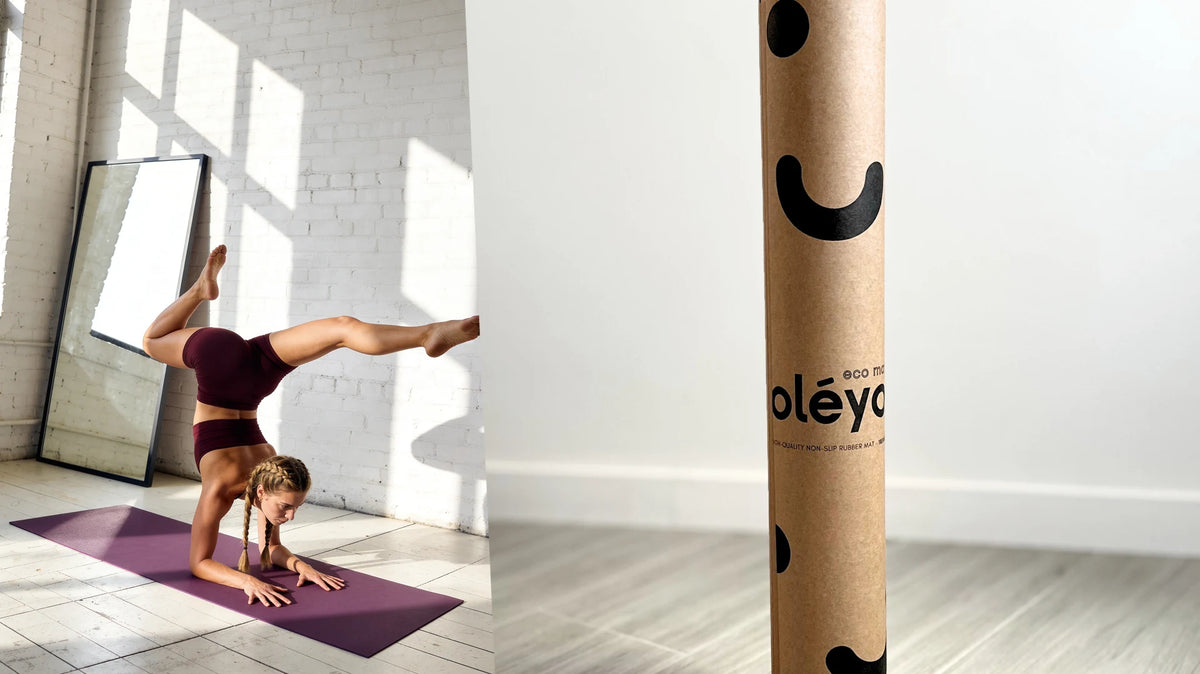
Natural rubber in a hot room: what actually happens
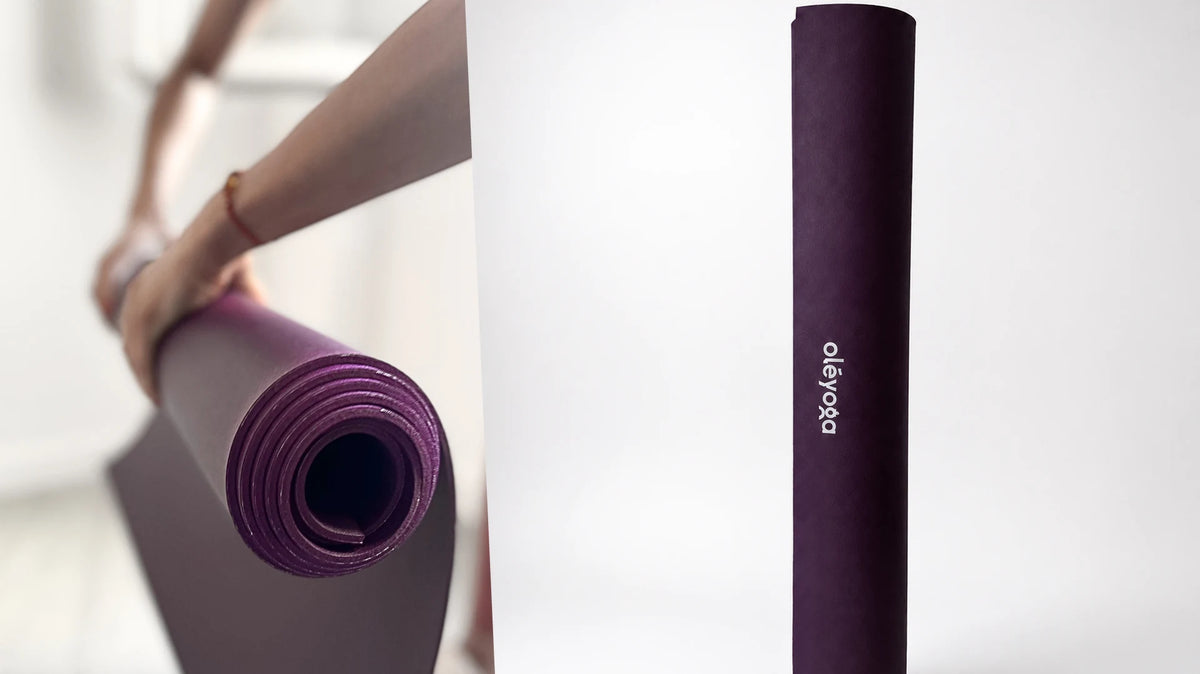
How to store your yoga mat without ruining it