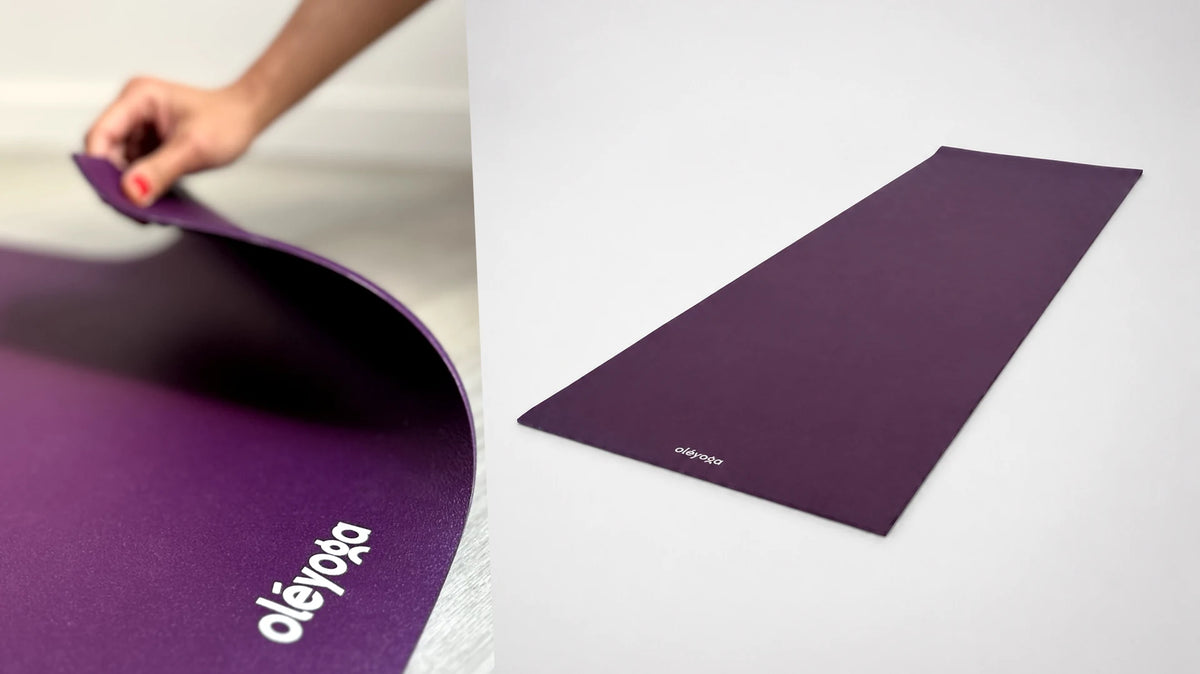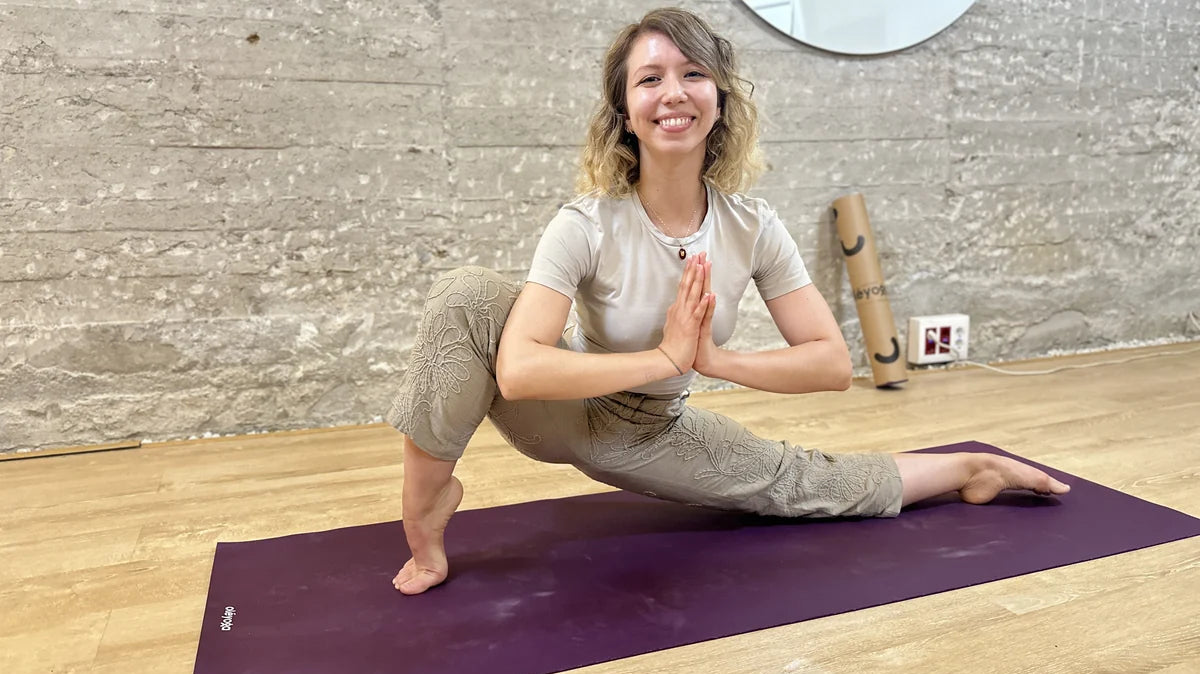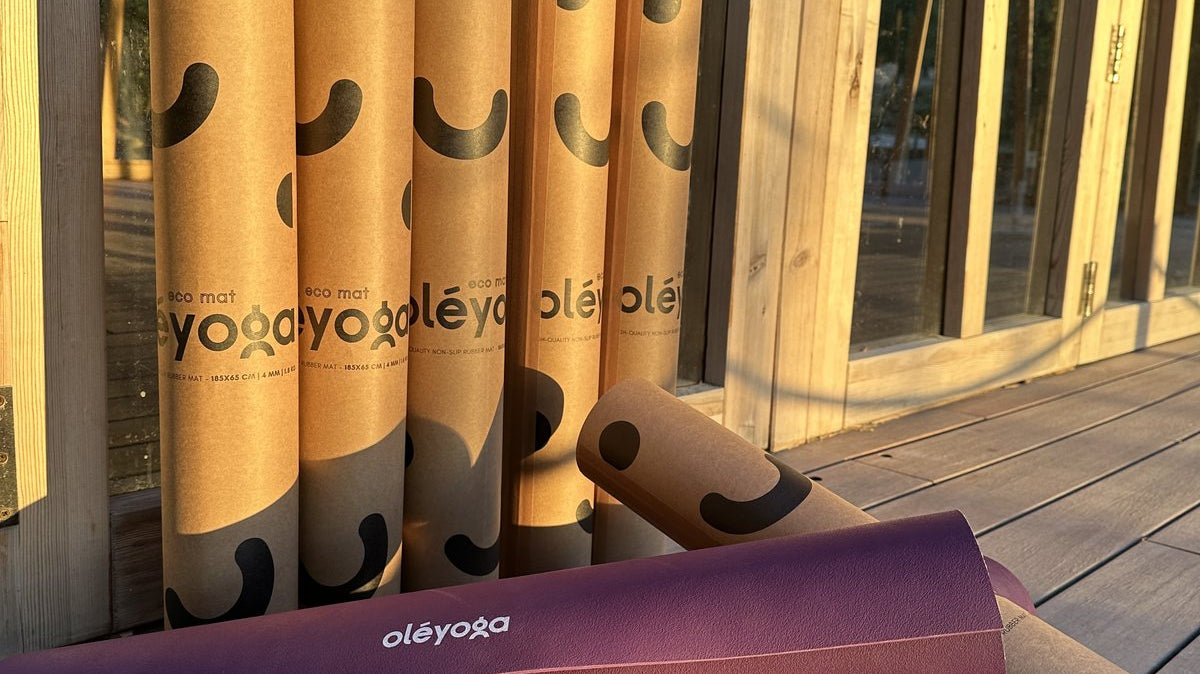

Yes. Natural rubber is tree sap, tapping does not harm the tree, and no animal product is involved. The catch is that PVC is vegan too, and so is TPE, so the word on its own separates almost nothing in this category. What it is worth checking is the surface layer, the adhesive and the finish, which is where animal derived ingredients actually turn up.
Nearly every yoga mat on the market is vegan. That is exactly why the label is not a useful filter.
Why natural rubber qualifies
Latex is sap. A shallow cut is made in the bark, the latex runs into a cup, and the tree continues growing and being tapped for decades. Nothing is killed and nothing animal enters the material.
The confusion usually comes from the word latex, which people associate with medical products rather than with a plant. It is the same substance, and it is vegetable in origin. It is also the reason a rubber mat is not suitable for everyone, which is a medical question rather than an ethical one: we cover it in what a latex allergy means for a yoga mat.
Where animal products actually hide
Not in the rubber. In the layers around it:
- Suede and leather surfaces. Some premium mats use real suede. "Vegan suede" exists precisely because the non-vegan version does.
- Adhesives. Bonding a surface layer to a base needs glue, and some traditional adhesives use animal derived components. On a bonded mat this is the least visible ingredient and the hardest to get an answer about.
- Wool and jute blends. Jute is a plant; wool is not. Mats that mix natural fibres are worth reading properly.
- Finishes and waxes. Beeswax and lanolin turn up in surface treatments, more often on cork than on rubber.
The pattern is that the risk sits in multi layer mats, not in single material ones. A mat that is one material bonded to nothing has nowhere for an animal product to hide.
What to check instead of the word
- Ask how many layers it has. One layer, one question. Two layers, three questions.
- Ask what the surface is. If it is suede, ask whether it is real. If it is microfibre or PU, it is synthetic.
- Ask about the adhesive. A brand that knows its own manufacturing can answer. One that cannot has told you something about its supply chain, which we get into in made in Europe or made in Asia.
- Do not treat vegan as an environmental claim. PVC is vegan and it is the worst option on this page environmentally. The two questions are separate and often confused.
Vegan is not the same as sustainable, and not the same as safe
This is the confusion worth undoing, because the three words get used interchangeably on product pages.
| Material | Vegan | Renewable | Breaks down |
|---|---|---|---|
| Natural rubber | Yes | Yes | Over years |
| Cork | Yes | Yes | Yes |
| TPE | Yes | No | No |
| PVC | Yes | No | No |
Every row says yes in the first column. If vegan is the only filter you apply, you have not narrowed the field at all, and you may end up with the worst material on the other two counts. We go through those properly in is natural rubber actually sustainable.
Our mat
One material, no bonded surface, no adhesive between layers, no animal derived finish. It is vegan, and we mention it the way we would mention any other fact rather than as an argument, because the whole category can say the same thing.
The claim we think is worth making is the one the others cannot: a single material that grips and that breaks down. Vegan is table stakes here.
Common questions
Is latex an animal product?
No. It is the sap of the Hevea brasiliensis tree. The name causes the confusion, not the substance.
Are cork mats vegan?
The cork is. The base underneath usually is too, though it is worth checking the adhesive and any wax finish.
Is there a vegan certification for yoga mats?
General vegan certification schemes exist and are rarely applied to mats, mostly because the claim is so easy to make that few brands pay to verify it. More on what certificates do and do not cover in this guide.
Is testing on animals relevant here?
Not usually for the mat itself. It can be for mat cleaning sprays, which is a separate purchase worth checking on its own terms.
The short version
Yes, natural rubber is vegan, and so is nearly everything else in the category. Read the layers rather than the label, and judge a mat on the questions where materials actually differ.
More on the material in our guide to natural rubber yoga mats. The mat is our non-slip natural rubber yoga mat. The questions that do differ are the ones behind our eco-friendly and sustainable yoga mats.